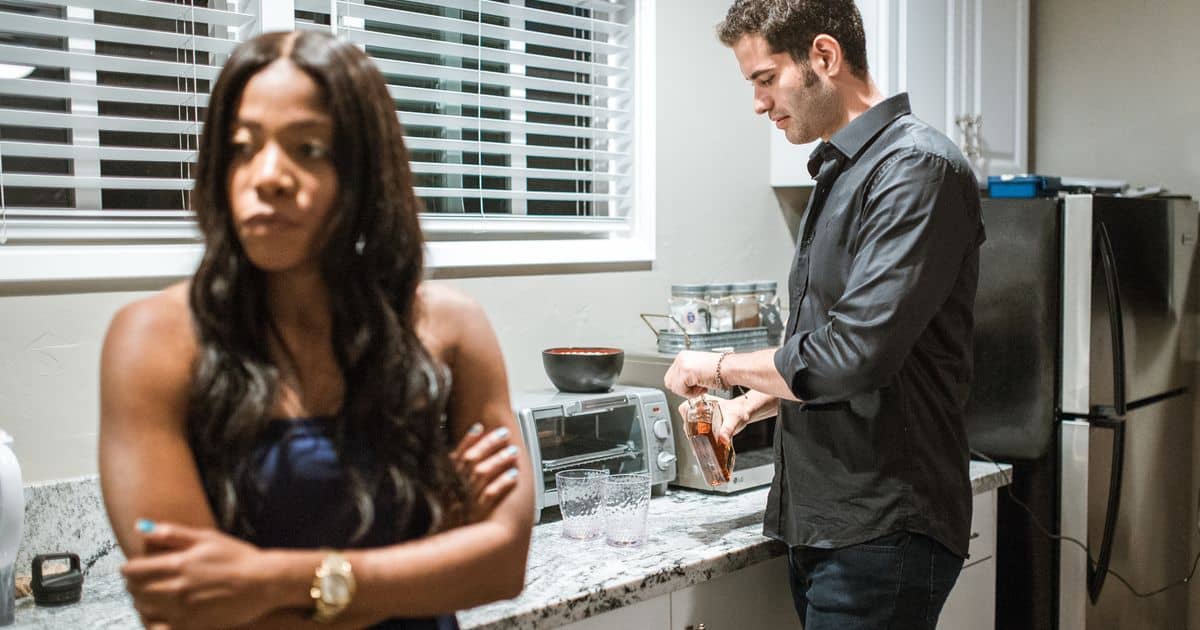
Online couples therapy is couples therapy with a licensed therapist over video, the two of you on one screen or logging in from two rooms. For most couples it works about as well as sitting in an office, and the therapist’s training in couples work matters far more than the format. Your real options are a private EFT or Gottman therapist licensed in your state who works by telehealth, a subscription platform like Talkspace, ReGain or OurRitual, or a self guided app or coaching tool, which are not therapy at all.
If you are in crisis or thinking about suicide, call or text 988 (the Suicide and Crisis Lifeline in the US) now.
It’s late. You’ve had the same fight again, the one you both could recite word for word, and now one of you is in bed and the other is on the couch with a phone, typing “online marriage counseling” and wondering which of these sites is real.
I’m Figs O’Sullivan, a licensed marriage and family therapist (LMFT #79062). I have been a couples therapist for seventeen years, in San Francisco and by video. I also built Figlet, an AI relationship coach, so keep my bias in mind. Where something else fits you better, I’ll say so. I checked every price below on October 19, 2026, and prices change often, so confirm on each site before you sign up. If your partner won’t come, or you just need help tonight before you’re ready to book anyone, you can start Figlet relationship coaching free. It’s there at 2 in the morning, and it works with just one of you.
Can I see you for couples therapy if we live in California?
When talking turns into the same fight
Talk it through with Figlet right now. Private, judgment free, built on 17 years of couples therapy.
Yes. A therapist has to be licensed in the state where you live, and I’m licensed in California, so I see California couples by telehealth through Empathi, and in person in San Francisco. You can read about how I work with couples, or go straight to Empathi’s online couples therapy in California, where we work with EFT.
What are the real options for online couples therapy?
I’ve ordered these by how much licensed, live clinical help you actually get, from most to least. That’s the only ranking that matters when you’re in real pain.
- A licensed EFT or Gottman couples therapist who works by telehealth. This is my first choice for couples in distress. Search the ICEEFT directory (everyone listed has at least completed an EFT Externship, though ICEEFT doesn’t verify licenses, so check your state board), the Gottman Referral Network (every listed therapist has at least Level 2 Gottman training), or Psychology Today, which lets you filter by state, insurance and online sessions. Licensed: yes, in your state. Private practice online sessions often run $100 to $250, more for experienced specialists in big cities. Both partners usually attend, though a good therapist will talk to one of you first.
- Talkspace couples. Licensed therapists. Its pricing page lists the couples plan at $109 a week, with up to four 30-minute video sessions a month plus messaging, and its FAQ calls it $436 a month. Couples therapy is covered by some insurance plans and employers, and only one partner needs to subscribe. Check your coverage first. Sessions are shorter than a typical office hour.
- ReGain. Licensed therapists, owned by BetterHelp. Published prices range from about $60 to $100 a week depending on where you live and therapist availability, for one live session a week plus messaging. The price is the same whether you meet together, separately or both. It doesn’t take insurance, and it offers income-based financial aid.
- OurRitual. Weekly 40-minute video sessions with a relationship expert, plus an app between sessions. Its plans page lists couples pricing from $64 to $84 a week depending on how long you commit, and it doesn’t take insurance. The page says “trained professional therapists” but doesn’t spell out licensure, so ask who you’ll be matched with. Both partners attend.
- Ours. A guided relationship program, built mostly for couples before marriage. Its guides aren’t clinicians, so it isn’t therapy. Fine for a healthy couple planning a life together. Not for a couple in crisis.
- Lasting and Paired. Apps, not therapy. Lasting, owned by Talkspace, offers self-paced lessons one partner can do alone; its App Store tiers run from $11.99 to $29.99. Paired gives you one question a day to answer together, free, or Premium at $79.99 a year per couple on its FAQ, often discounted. Lovely if you’re basically OK. They won’t touch a cycle that has you sleeping in separate rooms.
- Figlet, which I built. An AI coach grounded in EFT, for the moment the fight happens. It isn’t licensed care, and no AI is a therapist, including mine. Figlet works even if only one of you is willing, and your first messages are free with no credit card, then $19.95 a month or $147 a year.
If you want the apps side by side, I reviewed them in the best couples therapy apps.
Does online couples therapy actually work?
For most couples, yes. The research on video therapy, including couples work, has become solid, and EFT translates to the screen when the therapist knows what they’re doing. I compared the two formats in detail in online couples therapy vs in person, so I’ll keep this short.
A couple once logged into our telehealth session from two separate rooms in their own house, because they were too angry to sit on the same couch. He leaned into his webcam, itemizing every time she had failed to prioritize him that week. She sat frozen, staring at her keyboard, and eventually turned her camera off. Their panic didn’t care that I was on a laptop. The dance came through the speakers perfectly.
Through a screen I lose the body below the shoulders. But some conversations go better online. When shame is running the show, some people find it easier to say hard things without direct eye contact, and when one partner dominates a room, those little boxes can level the field. A committed couple online will go further than an avoidant couple sitting three feet from me.
What should a good couples therapist actually do?
Early in my career I felt like a referee at a boxing match. I taught “I” statements and negotiated chore charts. Couples nodded, went home, and had the exact same fight with more polite vocabulary. Then I watched a master EFT therapist ignore the content of a fight entirely and help a silent husband touch his belief that he was a complete disappointment, and his critical wife touch her panic that she was alone. Their shoulders dropped. I never went back.
Underneath almost every fight, one of you is asking “Are you there for me?” and the other is asking “Am I enough?” One partner pursues, the Relentless Lover. The other withdraws, the Reluctant Lover. In our 58,221 relationship assessments, 74.1% of the 6,159 couples where both partners finished were caught in that pursue-withdraw cycle. A good therapist slows the fight down, refuses to pick a villain, and helps you see the cycle as the enemy instead of each other. In EFT research, roughly 70 to 73 percent of distressed couples recover and about 90 percent improve significantly.
What does it cost, and does insurance cover it?
Online sessions often cost 10 to 20 percent less than in person. Subscription platforms run roughly $64 to $109 a week in the prices above. Insurance rarely pays for couples work, because a relationship isn’t a billable patient. Some therapists bill under one partner’s diagnosis, which puts it on that partner’s record, so ask how they bill. HSA or FSA money, sliding scales and employer EAP sessions all help. The full numbers are in how much couples therapy costs, and if you want to use your plan, start with online therapy that takes insurance.
How do I choose, and what are the red flags?
When I started out, about 40% of my couples didn’t come back after the first session. A friend told me everyone comes back for a second. That humbled me enough to learn, and it’s why I say no couples therapy is better than bad couples therapy. On the consult call, ask what model they use, what percentage of their caseload is couples, and whether they’re licensed where you both live. “Eclectic” isn’t a model.
Red flags: a therapist who takes sides, who lets you argue for fifty minutes and calls it progress, who hands out communication worksheets without ever naming the cycle, or who mostly sees individuals and squeezes couples in. If you both leave the first session feeling more hopeless, that’s useful information.
What happens in the first session?
I’m not there to find the bad guy. One of you is hoping someone will finally hear your side, and the other is braced to be found out. I call the first meeting an organizing session: three scientists working out the loop you’re both caught in. You’re each running around with a can you think holds water, and it’s gasoline. Don’t expect a breakthrough. I want you both to leave thinking, “That person gets what’s happening here.” The goal is to graduate you. Online, set up a laptop rather than a phone, close the door, and put the phones in another room.
When is couples therapy the wrong room?
If someone is hitting you, threatening you, blocking the door, controlling your money or your phone, or following you, that is not a dance. Couples therapy is generally not recommended in actively abusive relationships, because it can keep the person being hurt engaged in a harmful system. Get help today: the National Domestic Violence Hotline is 1-800-799-7233. Active addiction, serious depression, or thoughts of not being here belong with a licensed clinician first, and 988 is there any hour.
What can I say to my partner tonight?
Don’t send them a list of platforms. Say this, word for word: “I’m not trying to prove you wrong. I miss us, and I want help with the loop we keep getting stuck in. Will you do one consult with me this week?”
If you’re the partner being dragged to this
The reluctant partner usually walks in expecting to be prosecuted. My first job is to make sure that moment never comes. You don’t have to believe in it. Just show up. Reluctant partners often make faster progress than the motivated ones, because once they stop playing the defendant, they start being present.
Where to go from here
If you’re torn on format, read online vs in-person couples therapy. If you live in California and want a licensed EFT couples therapist, I see couples by video across the state and in person in San Francisco through Empathi.
If you’re outside California, your partner won’t come yet, or it’s 2 in the morning and the fight just happened, I built Figlet for that moment. It’s relationship coaching, built on the same EFT lens as this page. Tell it what happened, it shows you the dance you’re caught in, and it gives you one line to say. Start Figlet relationship coaching free tonight.
Frequently asked questions
Does online couples therapy really work?
For most couples, yes. Studies of video therapy find outcomes comparable to in-person sessions, and EFT works on screen when the therapist is well trained. The therapist’s skill and your commitment matter more than the format.
How much does online couples therapy cost?
Private practice sessions by video often run $100 to $250, and specialists in big cities charge more. Platforms like ReGain, OurRitual and Talkspace listed $64 to $109 a week when I checked in October 2026. Prices change, so check each site.
Does insurance cover online couples therapy?
Rarely, because relationship distress isn’t a billable diagnosis. Talkspace says some plans and employers cover its couples plan, and out-of-network benefits may reimburse part of a private therapist’s fee with a superbill.
Do we need to be in the same room?
No. Many couples join from one couch, and some log in from two rooms or two cities. Each of you needs a private space where you won’t be overheard.
Is online marriage counseling the same as couples therapy?
People use the terms interchangeably. Marriage counseling tends to be shorter and problem focused, while couples therapy goes after the emotional pattern underneath the problems. Ask any provider which one they actually do.
What if my partner won’t do couples therapy?
You can still change your step in the dance, and when one partner changes their part, the whole cycle shifts. Many couples therapists will see one partner first.
Keep Reading


When talking turns into the same fight
Figlet is relationship coaching built on 17 years of couples therapy. Talk through what is happening the moment it matters, get a clear next step, and stop circling the same fight. Private, judgment free, ready whenever you are.
Free to start. No credit card needed.
Figs O'Sullivan
Founder · EFT couples therapist
“What I would tell you at 10pm, if I could.”