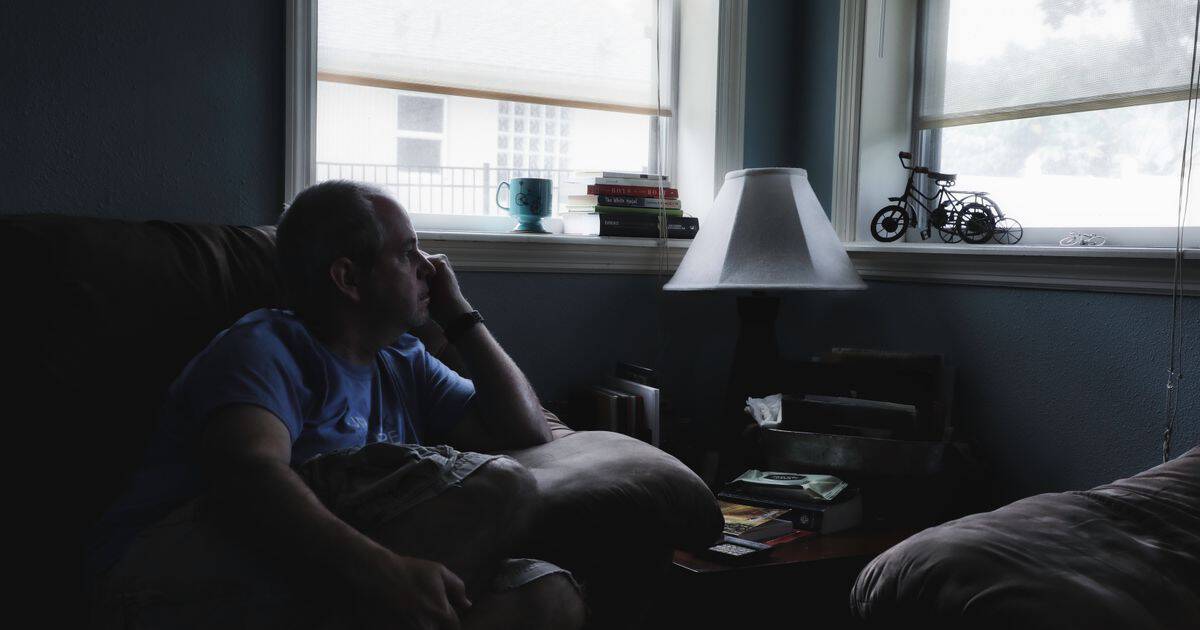
When you say “I’m done with this marriage,” you almost always mean one of two things. Either you are depleted, a person who reached for years, got nothing back you could feel, and went quiet to survive. Or you are finished, and the decision has already been made in your body. The honest way to tell them apart is not how bad the marriage looks. It is whether anything moves in you when the pressure comes off.
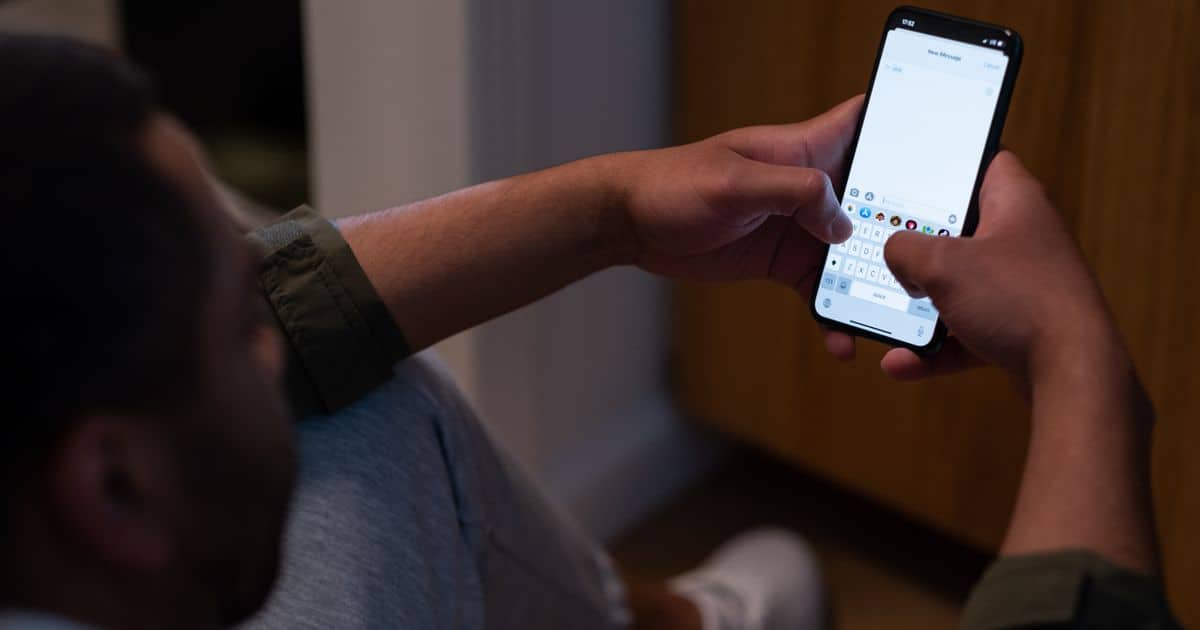
It is late. He is asleep, or downstairs with the television, and somehow it does not matter which. You typed the sentence into your phone because you could not say it to anyone. You are not angry anymore. That is the part that frightens you.
If you want to know which of the two you are before you say a word to him, tell Figlet what the last year has actually looked like, and it will help you see whether this is depletion or an ending.
Am I done with my marriage, or just depleted?
Stuck in the same argument again?
Talk it through with Figlet right now. Private, judgment free, built on 17 years of couples therapy.
In seventeen years as a couples therapist, I have heard this sentence many times. Most of the time one of you is the Relentless Lover, the one who reached. You explained. You raged. You cried. You did the therapy. And he did not turn toward you.
So you hit the state I see so often in my office. The burnt-out pursuer. You are so tired you have actually given up. Not divorced. Not gone. Just done reaching. Your well is dry.
Data from over 40,000 people who have taken the Empathi relationship quiz shows the Relentless Lover does not pursue forever. She pursues until she collapses, and then her second and third most common behaviors become shutting down and withdrawing. That is depletion, and there is a difference between “I have nothing left to give” and “I have nothing left.”
What does “done” feel like from the inside?
Underneath every fight, a bonded body asks two questions. Are you there for me? Am I enough for you? By the time someone says “I’m done,” she has usually been getting a no for a very long time. In 58,221 completed relationship assessments, 33% named alone as their deepest feeling when love is not working. Your quiet may be love that got tired of being alone.
Anger is still contact. It means the other person still matters enough to be angry at. There are no angry people, only people hurting. What worries me is the flatness after the anger. When he tells you about his day and you feel nothing. That is the absence of longing.
Watch, too, for the case. People collect evidence and rehearse the closing argument in the shower. I call this the Story of Other: a version of events where he is simply the problem, and your own Experience of Self, the hurt underneath, never gets said. The case feels like clarity. It is often a cage.
How do you know when you are truly done with your marriage?
Ask yourself three things, from flat ground. First, if he walked in right now, looked at you with real softness, and said, “I see how much pain you’re in, and I’m sorry for my part in it,” would something in you crack open? If yes, even a little, the bond is still alive under the scar tissue.
Second, which fantasy are you having? Fantasizing about him being different is a marriage in pain. Fantasizing about him being gone, and feeling relief rather than grief, is much closer to an ending.
Third, the clarity test. Clarity is quiet. It does not need him to be a monster. It carries grief, not vindication, and it survives a week without being acted on. If your “done” is urgent, tightly argued, and needs a villain, that is usually exhaustion talking. I wrote the longer version in I want a divorce: clarity or the crisis talking.
Two couples who looked exactly the same
Bob and Mary came in and Mary said what a lot of women say on my couch. I have not been happy for years, he does not listen, this is our last chance. Bob said she was always nagging. Mary looked completely done. Flat, withdrawn, arms folded, already halfway out the door.
Except that Mary was not done. She was a burnt-out pursuer, so tired from years of asking that she had stopped asking, and what looked like indifference was grief. When I showed Bob that her nagging had been a reach the whole time, and showed Mary that his silence was fear of failing her rather than not caring, something moved in both of them. Nobody wept who was finished. They wept because they were still there.
I sat with another couple, nine years married, where the wife had also burnt out, and then had an affair. We did the same work. Then she said, calmly, from flat ground, that her capacity to tolerate the disconnection had been exceeded, and she was not willing to go back in. There was no villain. They chose to uncouple without demonising each other. Nothing moved when the threat dropped. That is the whole difference.
When is it time to end a marriage, and what if I am not sure?
If you are not sure, you are not deciding yet. You cannot trust a decision made in the Basement, where everything feels pointless, or in the Penthouse, where leaving feels urgent. The only honest way to find out whether a marriage is dead or starving is to feed it once. With a real container, not a fourth attempt at the same conversation: six to twelve weeks with a couples therapist who does not pick sides. If you are leaning out and he is leaning in, discernment counseling was built for exactly that spot. Figlet can help in the meantime by showing you the pattern you two are in, so you are not deciding about a marriage you have not fully seen.
If you are afraid of him, none of this applies. Violence, threats, blocking your exit, control of your money or your phone, or stalking is not a dance to work on. Leaving can be the most dangerous time, so plan it with help: the National Domestic Violence Hotline is 1-800-799-7233, or text START to 88788. If you are thinking about ending your life, call or text 988.
How do you end a marriage that is already over, peacefully?
If your “done” is quiet, grieving, and still there on a Tuesday morning when nothing has gone wrong, you are not deciding anymore. You are telling.
Get your own ground first. Ground comes from being seen, not from being right, so tell one person who loves you before you tell him. Then the practical basics, none of which is legal advice:
- Before you move out, sign anything, or file, talk to a family lawyer or mediator about how it works where you live.
- Know where you and the kids will sleep on the night you tell him.
- Have your own copies of the household finances.
Tell him once, clearly. Not during a fight, not at 11pm, and not as a case. Every item of evidence lands on him as “you failed.” You do not need him to agree with your reasons. You need him to hear your decision. If he says he never meant to leave you alone, tell him you know. His intentions were real. So was the impact. I walk through the whole conversation in how to tell my husband I want a divorce.
Do not deliver the verdict and the logistics in one breath. Nothing about the house or the kids gets decided that night, and if you can avoid it, do not leave the house that night, because to a man whose floor just went, an empty house is a second sentence. When you tell the children, do it together if you safely can, and do not use them as the reason. What children need is a stable emotional environment, not the appearance of one. For the first month, keep agreements small and keep someone in the room who does not take sides.
What will my husband do when I say I’m done?
I see two husbands hear this. One collapses into quiet or logic, listing what he provided. The other begs and follows you from room to room, the most primal cry a human being can produce: do not leave me, I am here, please see me.
He may suddenly change. Flowers. A speech. I call that emotional fiat: printing affection he cannot back. Ten years of absence does not get paid off with a twenty minute speech. To him it will feel like it came out of nowhere. It came out of everywhere, for a long time. When he argues, you do not have to: “I hear you. I’m not going to debate it tonight.”
Will I grieve even if I chose this?
Yes. Even in marriages that needed to end, the loss is real. The ache at three in the morning is your attachment system reorganizing around someone’s absence, and grief afterward does not mean you chose wrong.
What do I say tonight?
Not to him. Not yet. Write the sentence down without a single reason attached. If it still sounds true with the reasons stripped away, you are ready. If it only sounds true with the list of what he did, you are still inside the case. Then say this, word for word, to one person who loves you:
“I think I’m done with my marriage. I don’t need advice. I need someone to know.”
If you are the one hearing “I’m done”
Do not beg. Do not make the speech. Do not list what you provided. Each one pushes her further out the door. Your silence over the years was probably fear of failing her. But impact is bigger than intention, and she was alone in that house with you in it. Feet on the floor, a slow breath, and say this with nothing added: “I hear you. I’m not going to argue with you tonight. I’m going to need some time.” A burnt-out pursuer needs acknowledgment that her years of reaching were not pathological, and to rest while you step forward. I wrote that side in walkaway wife syndrome.
Where to go from here
If you are still asking whether it is over, start with signs your marriage is over.
If you want help with the words for your own marriage, that is what I built Figlet for. It is a coaching tool, not therapy, and not a fix for an unsafe marriage. Tell it what happened, and it will show you the pattern the two of you have been in and give you one line to say. It is free to start tonight: tell Figlet where your marriage is tonight.
Frequently asked questions
Does “I’m done with this marriage” always mean divorce?
No. Very often it is a burnt-out pursuer speaking, someone who stopped reaching because reaching cost too much. If something still moves in you when he finally sees what those years were like, the marriage is depleted, not over.
How do you know when you are truly done with your marriage?
When you have stopped grieving the distance and started grieving the relationship itself, and nothing moves when the pressure comes off. The decision is quiet, does not need him to be a monster, and is still there after a calm week.
What should I do when I am done with my marriage?
Get your own support first, and talk to a family lawyer or mediator before you move out or file. Then tell him once, clearly, without the evidence.
Is it normal to feel nothing toward my husband?
Yes. Numbness is often a freeze state protecting you from more hurt, not the official death of love. Rest before you make a permanent decision.
Keep Reading

Stuck in the same argument again?
Figlet is relationship coaching built on 17 years of couples therapy. Talk through what is happening the moment it matters, get a clear next step, and stop circling the same fight. Private, judgment free, ready whenever you are.
Free to start. No credit card needed.
Figs O'Sullivan
Founder · EFT couples therapist
“What I would tell you at 10pm, if I could.”