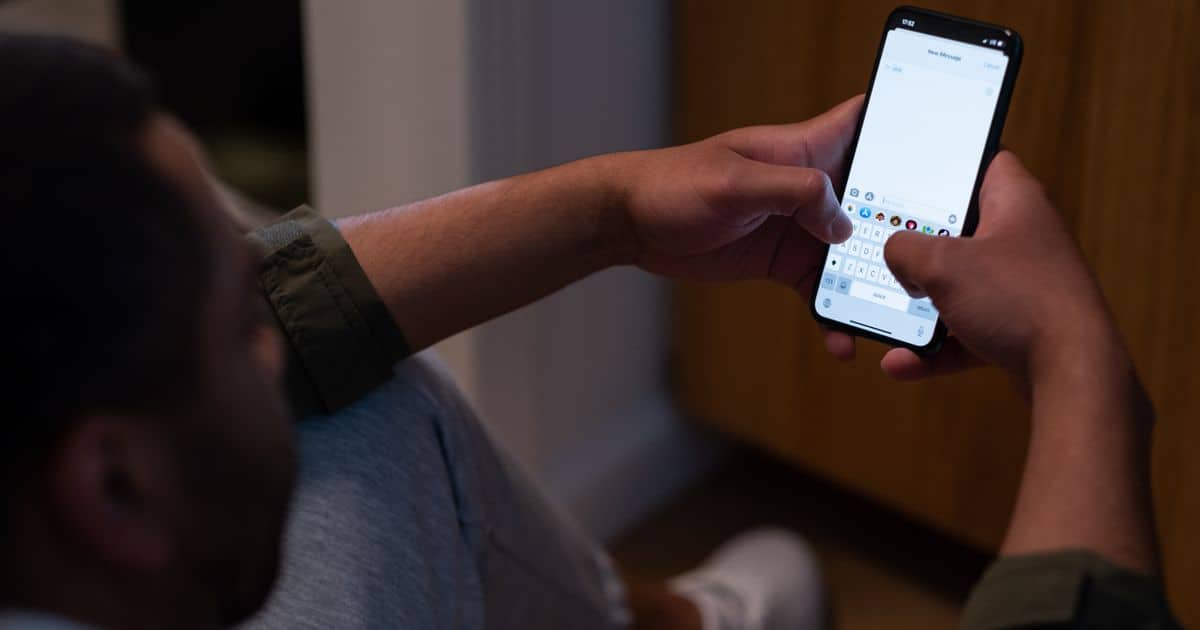
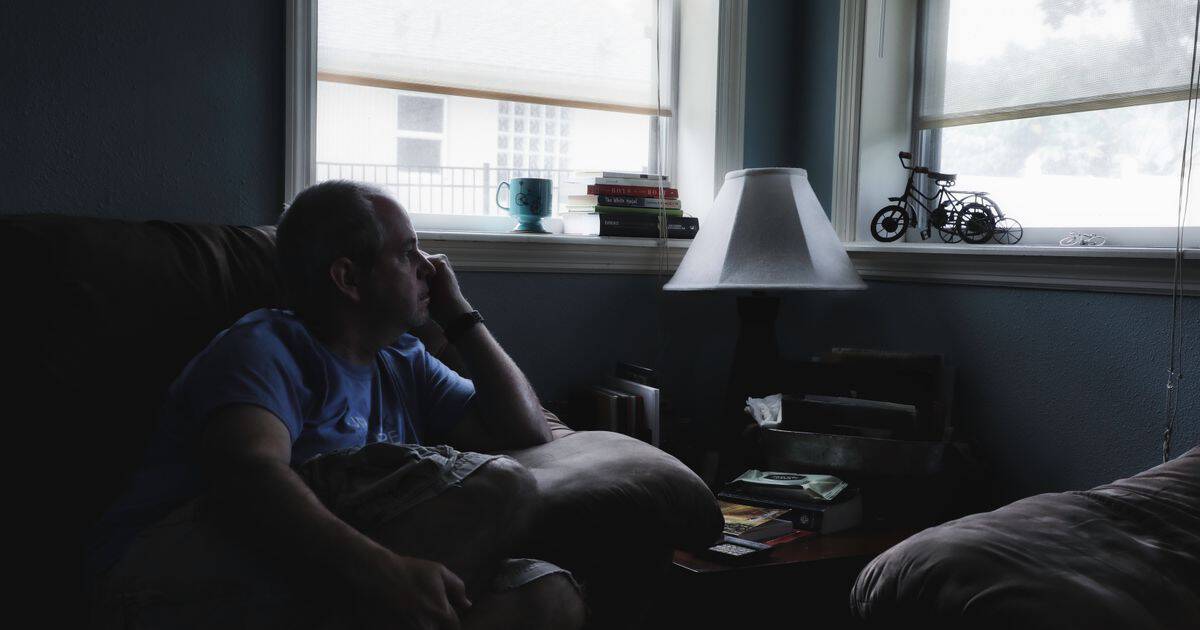
Your husband is most likely mean when he drinks because alcohol takes the brakes off feelings he cannot say sober, usually shame and old resentment, and those come out as cruelty aimed at the person who matters most to him. The drinking does not invent the meanness, but it does not excuse it either. What he says drunk is real material, it is not the whole truth about him, and it is still not OK.
If he threatens you, breaks things, blocks a door, drives drunk with you or the kids, or puts a hand on you, this is not a communication problem. Leave the room or the house, call 911 if you are in danger, and call the National Domestic Violence Hotline at 1-800-799-7233 or text START to 88788. If none of that is happening and you are lying awake replaying what he said three drinks in, tell Figlet what he said last night and it will help you find the sentence to say to him tomorrow, sober.
It is 11pm. He is asleep on the couch, and an hour ago he said the thing. About your weight, your mother, the way you “always” ruin the evening. The first drink he is funny. By the third something in his face shifts, and you are watching the glass, counting, editing every sentence before it leaves your mouth. Tomorrow he will be sheepish, or he will say he does not remember, and you will be the only one still carrying it.
I have been a couples therapist for seventeen years. I am also the son of an alcoholic father. I know this from both chairs.
Why is my husband mean when he drinks, and nice when he is sober?
When talking turns into the same fight
Talk it through with Figlet right now. Private, judgment free, built on 17 years of couples therapy.
Sober, your husband sends out what I call the Representative: the polished, capable, “I’ve got this handled” version of him. It takes energy to run. Alcohol is what makes the Representative clock off, and underneath, in almost every man I have sat with, is shame.
Shame is the feeling of “I am a bad thing,” not “I did a bad thing.” It is a body event before it is a thought. The Compass of Shame maps the four directions a person runs when it hits: withdraw, attack self, avoid, attack other. The drink is the avoid. The cruelty is the attack other: “You are the reason I drink. If you were not so critical, I would not need to.”
There are no angry people in the world. There are just people who look angry when they are really, really hurting inside. Drunk, the basement door is open, and what comes up the stairs is aimed at you because your face carries the most weight in his nervous system. That makes it readable. It does not make it acceptable.
Is he showing his true self when he is drunk?
Partly. The resentment that comes out at the fourth drink is usually real: that he feels he is failing you, that nothing he does is enough, that he is lonely in the marriage too. Alcohol hands that material a microphone.
But it is not the whole truth. What comes out drunk is the hurt with every filter stripped off and every exaggeration left in, the cruelest version of a feeling that sober might sound like “I miss you and I do not know how to reach you.” Drunk words are a poor map of what is going on in him. And real material delivered as cruelty is still cruelty.
“It was the alcohol. I don’t remember.” Does that make it OK?
No. Impact is bigger than intention. He may genuinely not remember, or “I don’t remember” may be the only door out of his shame. Either way, your body remembers.
The morning after is often its own small Compass of Shame. Attack self: “I am the worst, I know I am terrible,” which usually ends with you comforting the man who hurt you. Avoid: “You are making a big deal out of nothing.” None of that is repair. An apology without changed behavior is currency without backing. You are looking for proof of work, not promises.
Why am I the one counting his drinks?
Because you are in a dance I call the Waltz of Pain. He drinks and pulls away, present but gone. Your attachment alarm fires, because your body is asking two questions: Are you there for me? Am I enough? So you reach. You count. You pour a bottle down the sink. To his shame-soaked nervous system, every count lands as another verdict: I am failing her again. So he reaches for the one thing that reliably makes that feeling stop, at least for an hour. Which leaves you more alone, so you watch harder.
That hypervigilance is exhausting and it is not your fault. But counting his drinks has never once regulated another person’s nervous system.
Where I learned what a drinking father does to a house
My father was not cruel. He was drowning in wounds he could never speak about, and he disappeared into them. At three or four I was in a pub with him in the middle of the day. A man looked down at me and said, you shouldn’t be here. I went and told my dad. My dad got up, walked over, and punched him in the face. I learned something that day. My dad is not a safe person.
When I was fifteen my parents gave up the fight for good. My dad would never live in our home again. And all I remember is relief. If there are children in the house when he drinks, they are learning something too.
I did not only sit on one side of this. As a young stockbroker outrunning that childhood, I drank to escape, and told myself I was a catch. The bottle works on shame, for an hour. Then the bill arrives later, with interest.
When is a drunk husband verbally abusive, and should I leave?
The line: violence, threats of violence, blocking your exit, breaking things, driving drunk with you or the children, using his voice until you are frightened, controlling your money, your phone or who you see, contempt and blame with no remorse. Those are not a dance and not acceptable under any circumstances. Call the National Domestic Violence Hotline at 1-800-799-7233 (or text START to 88788) today and make a safety plan, even if you are not ready to leave. In danger right now, call 911. In a crisis of your own, call or text 988.
My test is simple. Is it loud and sorry, or is it frightening? If you are afraid to disagree with him when he drinks, if you agree just to keep the peace, if the apologies keep coming and nothing changes, you are on the far side of the line. If the sneering shows up sober too, read about contempt in marriage.
Leaving is not failure. If you have been clear, set limits, offered support, and nothing has changed, leaving is sovereignty. Stay because change is happening, not because it is promised.
What should I not do when he is drunk?
Do not argue with a drunk man, and do not have the 11pm post mortem. He will not remember it and you will lose sleep. Do not count drinks or pour out bottles as a strategy, and do not cover for him with family or his boss. When the edge comes out, say one thing and leave the room: “I’m not going to talk with you while you’re drinking. We’ll talk tomorrow.” If he follows you and keeps going, that tells you which side of the line you are on.
What do I say to him the next morning?
Sober, both of you, during the day, not hungover and defending. Not the transcript. The impact. Word for word:
“When you drink, I lose you for the night, and the things you say stay in my body for days. I need us to talk about that while you’re sober.”
That is a sovereign sentence. “You always ruin everything” is a protest born of desperation. He may minimize, go quiet or attack. Do not follow him into the quadrant: “I hear that this is uncomfortable. I am uncomfortable too. And I still need to say it.” To find your own version first, Figlet can work through it with you.
I am fed up with my husband’s drinking. What help is there for me?
You are carrying two nervous systems, yours and a proxy version of his. You need your own support. Al-Anon (al-anon.org) is for people worried about someone else’s drinking, whether or not he admits a problem. An individual therapist helps.
If he is ready to look at the drinking, SAMHSA’s National Helpline at 1-800-662-4357 is free, confidential and open 24/7, and can point him to treatment. If he shakes when he cannot drink, or has tried to stop and failed, treatment comes first. You cannot do attachment repair with a nervous system that is chemically hijacked.
If you are the husband reading this
You know the heavy feeling the next morning. I have it too, for hours after I have been cruel with my mouth. Something in you is hurting, and the drink is saying it in the worst possible voice to the one person you most need to hear it. Try it sober: “I’ve been feeling like I’m failing you.” That will do more than any apology after a bad night. And if you cannot stop on the nights you swear you will, call SAMHSA. That is proof of work.
Where to go from here
If the meanness shows up as volume, read why does my husband yell at me. If the bigger worry is the drinking itself, I go deeper in how to deal with a partner who drinks too much. If he is charming at the party and only turns on you, read why your husband is mean to you but nice to everyone else.
If you need somewhere to put last night before you say a word to him, start with Figlet tonight. Figlet is a coaching tool I built from my work with couples. It is not therapy, and it is not for a situation that is unsafe. Tell it what happened, it shows you the pattern and gives you one line to say. It is free to start tonight.
Frequently asked questions
Why does my husband get mean when he is drunk?
Alcohol lowers the brakes on shame and resentment he keeps locked down sober. When shame floods him, one direction he runs is attack other, and the person whose opinion matters most gets the worst of it. That explains it. It does not excuse it.
My husband says mean things when drunk and says he does not remember. What do I do?
Do not sort it out that night. Raise it the next day, sober, and talk about the impact rather than the transcript. Whether he remembers or not, impact is bigger than intention.
Are drunk words his true feelings?
They are real material, not the whole truth. The hurt underneath is often genuine; the cruelty and the “you always” are what alcohol adds. Real feelings delivered cruelly are still not OK.
My husband drinks too much. What can I do?
Stop trying to control the drinking and look after yourself: Al-Anon, your own therapist, plans that do not depend on his sobriety. Point him to SAMHSA at 1-800-662-4357. Look for proof of work over time.
Should I leave my husband because of his drinking?
If there is violence, threats, drunk driving with you or the kids, or control, your safety comes first, and the hotline at 1-800-799-7233 can help you plan. If not, ask whether change is happening, not promised. If you have been clear and nothing has moved, leaving is not failure.
Keep Reading

When talking turns into the same fight
Figlet is relationship coaching built on 17 years of couples therapy. Talk through what is happening the moment it matters, get a clear next step, and stop circling the same fight. Private, judgment free, ready whenever you are.
Free to start. No credit card needed.
Figs O'Sullivan
Founder · EFT couples therapist
“What I would tell you at 10pm, if I could.”