How EFT and Empathi Process Woke Me Up as a Single Woman...

How EFT and Empathi Process Woke Me Up as a Single Woman

When I first started out as a therapist, at the very beginning of my journey, I had a pretty staunch resistance to working with couples. In my view at the time, couples therapists were the ultra enlightened ones because who else would be so insane as to willingly march into the tense storm of a couple at the height of their dysfunction?!

Back then, I didn’t trust myself not to be super biased, because frankly I had my own traumas around relationships and wanted to remain steadfast in my conviction that I was wronged by my exes. Being a couples therapist would mean I would have to consider both sides, which means I would have to acknowledge that I played a role in the problems I had with my partners. And further, this means that I wasn’t the all-knowing, all-healing therapist-woman I thought myself to be. Why would I sign up for that again?

When I first moved from New York to the SF Bay Area, I met someone and fell in love hard and fast. It was fun and riveting–I thought for sure he was The One. But very soon into it I felt myself start to shrink with dismay and despair: within the first month I saw all the dysfunction of my previous relationships– which I had effectively run away from–splattered across my reality with nowhere for me to hide. HOW?! How did I find myself here again, after all the intense work that I have done and continue to do? It was disheartening and a little shocking to me. I felt myself wrinkled up and thrashing about in all the same issues as several of my previous relationships, but this was definitely a different person. The only thing that was the same was… me. I felt super bummed out, and actually bored and annoyed with myself.

I began to pour myself into re-reading and studying all the books I had on relationships, and came across one of my old books on attachment science. It was also around that time that I met Figs, a couples counselor who shares insights on relationships through his podcast, and started working at a website called Empathi, which was developed to help people understand and improve their relationships. I began to realize that the same fear that fueled my resistance to working as a couples therapist was also fueling my challenges in relationship.

I was massively afraid that anyone who saw the real me–which didn’t seem to fit the calm and wise woman me–would turn and run like a bat outta hell. How could I possibly help couples sit in their relationship or attachment pain, if I hadn’t yet figured out how to sit in mine? I realized that, in those moments of vulnerability, it was often the child within me—longing for connection, love, and safety—that was most exposed. Recognizing this child is essential for understanding our emotional reactions and intimacy.

I am not always contained and compassionate–in fact, when poked, I can become cold and sort of mean.  When I am hurt I shut down, and in a seeming attempt to de-escalate the problem, I end up shutting down my partner’s voice. And that I learned is the cruelest thing I can do, even though cruelty is the farthest thing from my mind. It was eye-opening for me to see that my attempts to neutralize the conflict were actually pouring more fuel into the fire, and causing as much pain to my partner as they were causing me. I thought for sure that since they were yelling and blaming while I was quietly listening, they MUST be the guilty one. But no, my cold shutdown was as violent to them as their heated and aggressive tone was to me. We were both contributing to the problem. In truth, this was hard to swallow, but I realized that if both partners are contributing to the disconnection, that means both partners can equally contribute to getting back to connection. And this is exciting news!

So here’s the thing: we all have patterns of how we deal with conflict, and they take shape through the nuanced filters of our personality. But really the themes to such patterns are quite common and identifiable. Getting acquainted with them and working with a clear understanding of them takes us to new levels of presence and connection with ourselves, and in partnership. Our bodies play a crucial role in emotional bonding and intimacy, as physical sensations and responses are deeply intertwined with our emotional experiences. This journey is not a one-time fix but an ongoing course of learning about ourselves and our relationships. It is TOTALLY doable. I know this for a fact because I am doing it myself, and I see the couples I work with doing it weekly. This is learning to love better! And it is a worthy cause.

If you are curious to know more, schedule a consultation with us today!

And if you want to know more about doing the Empathi process as a single person, stay tuned, more insights to come.

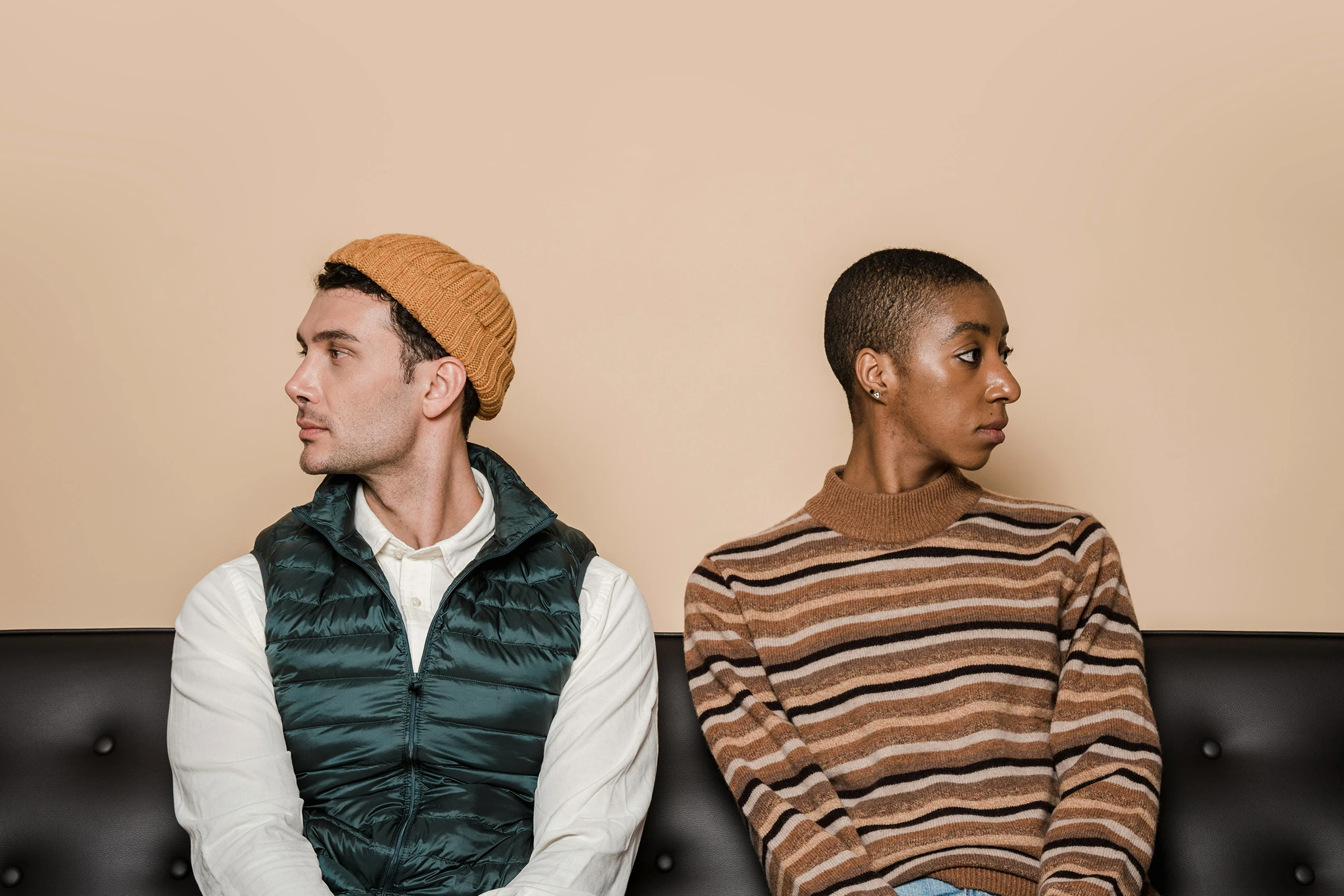
The Role of Couples Therapy in Personal Growth

One of the most surprising truths I’ve discovered on this journey is that couples therapy—especially emotionally focused therapy (EFT)—isn’t just about fixing what’s broken between two people. It’s about waking up to yourself, your patterns, and your ability to create real, lasting connection. In recent years, as the stigma around therapy has faded, more and more people are realizing that the work we do in the therapy room is just as much about personal growth as it is about relationships.

Working with couples therapists like Figs, I’ve seen firsthand how the process of exploring conflict, stress, and intimacy in a safe space can lead to profound self-understanding. When you’re willing to look honestly at your own role in the cycle of disconnection, you start to recognize the ways your past shapes your present—and that’s the first step toward real change. It’s not about blame; it’s about seeing the full picture, and learning how to respond with empathy and honesty, both to yourself and your partner.

The beauty of emotionally focused therapy is that it gives you a language for your feelings, a way to tune into the moment and recognize what’s really going on beneath the surface. This isn’t just helpful in romantic relationships—it spills over into every area of life. I’ve watched clients become more present with their children, more compassionate with friends, and even more connected at work. Employees who feel emotionally supported are more likely to thrive, and that sense of connection is contagious.

What’s even more empowering is that the tools and concepts from EFT aren’t limited to the therapy room. The Empathi website, for example, offers a whole program of resources—quizzes, exercises, and even the “Empathi with Figs” podcast—that help you practice these skills in real life. Whether you’re in a relationship or single, you can access support, learn to recognize your attachment style, and start to break free from old cycles that no longer serve you.

At the heart of it all is the idea that we all deserve to feel emotionally bonded and understood. The journey isn’t always easy—there are moments of shame, struggle, and vulnerability—but the rewards are so worth it. When you take that first step, when you choose to listen, to be honest, and to show up with compassion, you’re not just improving your relationship. You’re building a stronger, more loving connection with yourself and the world around you.

So if you’re curious about how couples therapy or the Empathi process could help you grow, know that you’re not alone. The ability to love, to be present, and to create positive change is within reach. All it takes is the willingness to begin.

Share this article

Fiachra "Figs" O’Sullivan is a renowned couples therapist and the founder of Empathi.com. He believes the principles of secure attachment and sound money are the two essential protocols for building a future filled with hope. A husband and dad, he lives in Hawaii, where he’s an outrigger canoe paddler, getting humbled daily by the wind and waves. He’s also incessantly funny, to the point that he should probably see someone about that.

Related Articles

Scroll to Top
Share "How EFT and Empathi Process Woke Me Up as a Single Woman"
Empathi couple illustration

Before you go — curious about your relationship pattern?

Take a free 3-minute quiz and discover whether you tend to pursue or withdraw in conflict. You'll get a personalized report.

Take the Free Quiz → 13 questions • 100% free • No email required
Figs and Teale O'Sullivan

Learn the method that transforms relationships

Join the Empathi Method Masterclass — a self-paced online course built on attachment science by Figs & Teale O'Sullivan.

Explore the Masterclass → Self-paced • Science-backed • Start today
Empathi couple illustration Figs and Teale

Get relationship insights in your inbox

Join our newsletter for science-backed tips on connection, conflict, and lasting love.

Free • No spam • Unsubscribe anytime