
Whether you’re going through a rough patch, have a history of conflict, or just want to improve and deepen your connection, before we can address if couples therapy is a bad sign for you, we need to talk about… the stigma.
It’s no doubt that individual therapy has undergone a major rebrand in the last quarter-century.
Something that was once highly stigmatized, meant to be kept private, and reserved for someone else with “serious issues” has made its way into the public lives of many more Americans.
From that friend who loves to boast about how much she loves her therapist, to that guy on Hinge who drops a line about his therapeutic journey in hopes of receiving more likes, the culture around therapy has changed.
Being in therapy no longer needs to mean that something is inherently wrong with you, that you are broken, or even that you are struggling.
Being in therapy means you’re responsible, relatable, and smart enough to know that everyone can use support, because being human is hard, no matter your circumstances.
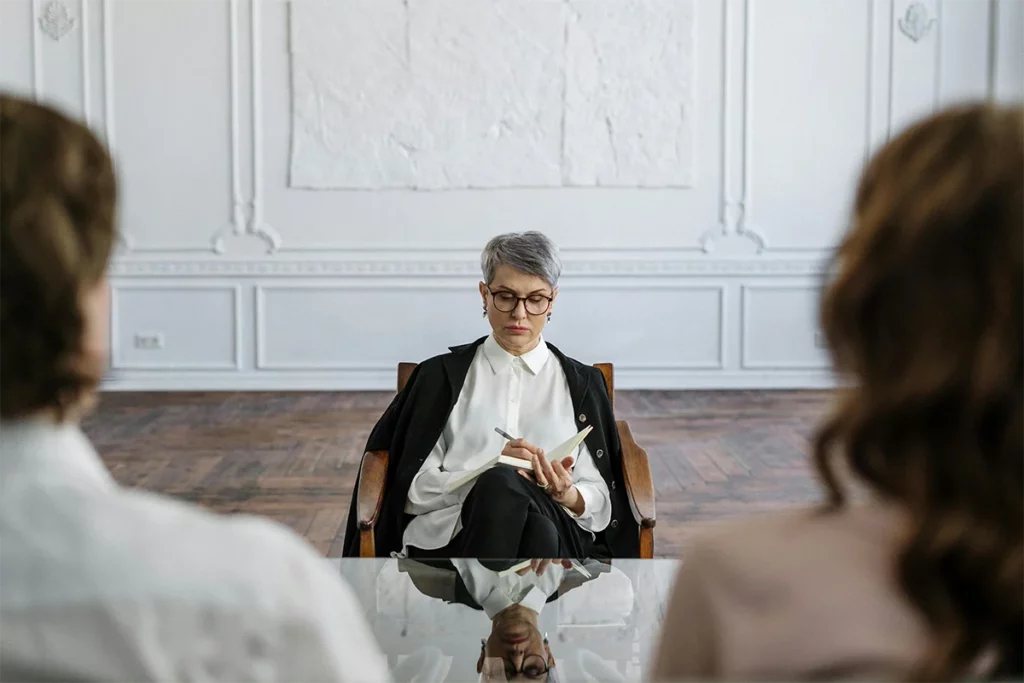
As a couples therapist and an individual in couples therapy, I find it interesting how that change in perspective has not carried over into the realm of couples therapy.
Perhaps there is a little bit less stigma, but wide and large, it seems many of those “old school” beliefs that are now vestiges to individual therapy — beliefs like “things must be really bad”, or “you should be able to work this out on your own” — are as prominent as an arm or a leg in the public view of couples therapy.
Why is it that...
- …my friend’s partner believes something must be wrong in their relationship if they “already need” couples therapy “this early,” but he has no qualms about sharing his long-standing experience in individual therapy?
- …I feel the need to offer the disclaimer, “Don’t worry, our relationship isn’t on fire” when I share with a friend that I started couples therapy with my partner?
- …my client judges his relationship as headed for less success because he’s in couples therapy, as compared to his parents who have never been to couples therapy?
I can’t say I know why these stories remain about couples therapy and not individual therapy, but I do hope they change.
Because in my experience, they are anything but true.

In an effort to reshape some of those negative stories — and offer some comfort if you’ve ever found yourself searching on the internet, “Is couples therapy a bad sign?” (which, by the way, is a common Google search) — here are some new stories I’d like to tell based on what I’ve had the honor and privilege of witnessing in my work with couples.
7 Reasons Couples Therapy is NOT a Bad Sign...
1. If you are in couples therapy, it means you are in a meaningful relationship.
If you didn’t matter to each other, you wouldn’t be there.
2. Getting stuck in repetitive fights that you need support with getting out of is usually an indicator that you’re deeply attached to each other.
That is a special and beautiful thing.
3. Conflict is inherent to relationships, just as suffering is inherent to being human.
If you didn’t matter to each other, you wouldn’t be there.
4. Going to couples therapy is not a sign of weakness in your relationship, but a sign of strength.
Emotionally-Focused Couples Therapy strengthens attachment bonds, leading to less distress and more ease in relationships.
5. Couples therapy offers a profound opportunity for self-growth and healing.
Most of our pain and wounding stems from being in relationship, and so it’s only through relationship that we heal and grow.
6. Partners who go to couples therapy are responsible.
Our relationships impact our families, friends, and communities. By tending to the well-being of our relationship, we tend to the well-being of those around us.
7. Going to couples therapy is wise.
There is wisdom in having the humility to accept that we’ve all been given some pretty confusing manuals on how to be in relationship, and that we could all benefit from a little support.
These are just a few of the new stories I hope to see emerging into the limelight of public discourse on couples therapy.
We suffer as individuals, communities, and as a culture, when stigma and judgment remains around getting support for something so fundamentally human.
If you’re already in couples therapy, are thinking about going to couples therapy, or know someone in couples therapy, kudos to you, and kudos to those people for daring to believe otherwise.
We’re all better for it.