Yes, for most couples who both show up, couples therapy is worth it. Research reviews find that couple therapy helps about 70% of the couples who receive it, and in Emotionally Focused Therapy, the model I use, about 70% of couples are free of their distress by the end of treatment. It is not worth it, or not yet, when someone is unsafe, when an affair is still going on in secret, or when one of you has already decided to leave, and it is only ever as good as the therapist in the room.
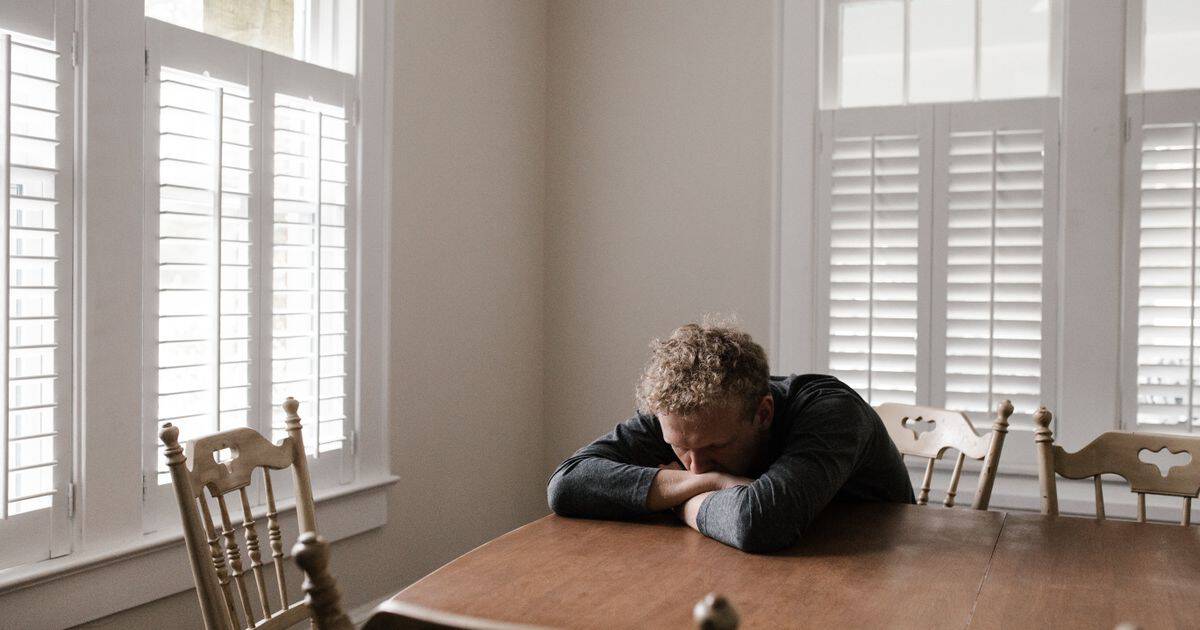
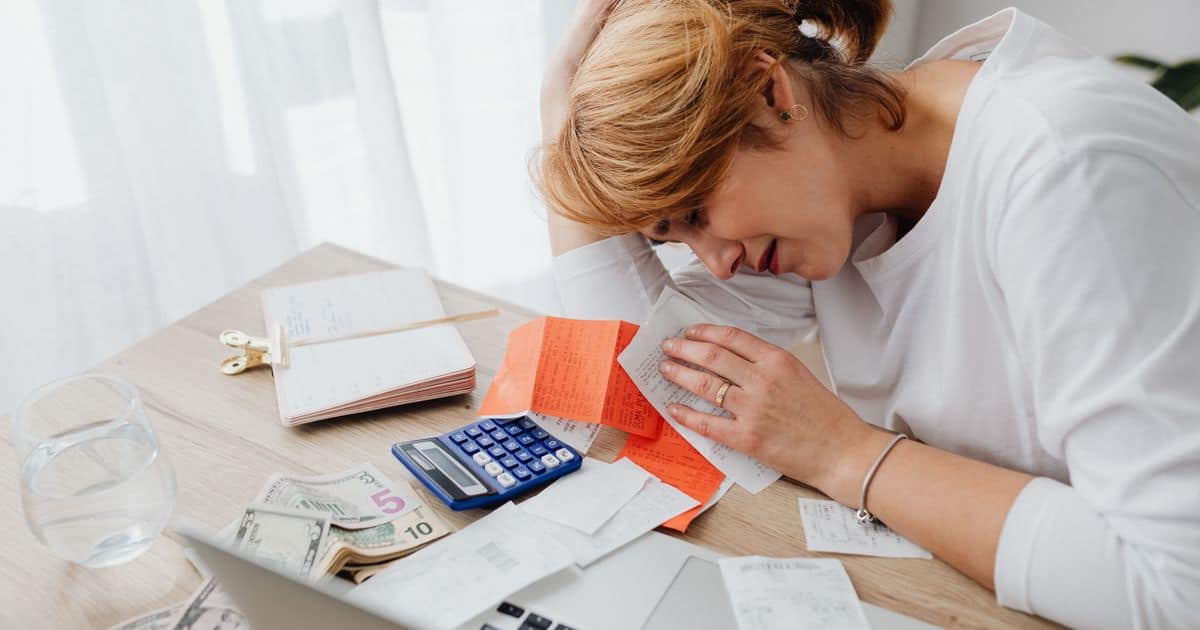
It is late. You had the fight again, the one you could both recite word for word, and now one of you is in bed and the other is on the couch with a phone, one tab open on a therapist’s fee and another asking whether any of this is worth the money. I’m Figs O’Sullivan, a licensed marriage and family therapist, and I have been a couples therapist for seventeen years.
If you want to think out loud about your own situation before you book anyone, I built a coaching tool called Figlet for exactly this hour. Tell Figlet what happened tonight and see the pattern you are caught in. It is free to start.
Does couples therapy (or marriage counseling) actually work?

Which pattern is running your relationship?
Take the free three minute quiz and meet the creature behind the cycle you keep getting stuck in.
It does, and the honest version of the numbers is still good. A 2012 review of couple therapy research by Lebow, Chambers, Christensen and Johnson concluded that couple therapy positively impacts 70% of couples receiving treatment. A 2024 meta-analysis of Emotionally Focused Therapy, pooling 20 studies and 332 couples, found that 70% of couples were symptom free at the end of treatment, and that the more faithfully the therapist followed the model, the bigger the gains. And the American Association for Marriage and Family Therapy reports that over 98 percent of clients of marriage and family therapists rate services as good or excellent.
Now the limits. Those are averages from couples who stayed and finished. Research therapists are trained and supervised, which is not true of every office on your street. And satisfaction is not the same as a repaired bond. You will also see 86% and 90% quoted around the internet, including on older pages of this site. Those figures measure improvement, not full recovery, so I lead with 70%. Marriage counseling and couples therapy are used interchangeably. Marriage counseling tends to be shorter and problem focused, while couples therapy goes after the emotional pattern underneath the problems. Ask any provider which one they actually do.
One sentence we say in the EFT world matters more than any statistic: no couples therapy is better than bad couples therapy. A therapist who acts like a judge and jury validates each person’s protective story about the other: “You’re right, they are that bad.” Couples leave that room feeling worse.
Who is couples therapy worth it for?
For couples who are willing, which is not the same as enthusiastic. Some couples therapists insist that both partners arrive fully committed. If I only accepted couples like that, I would be standing on a street corner in a sandwich board looking for clients. Some of my best outcomes come from couples where one person is checked out and is not even sure they want to be there.
The ingredient that drives repair is not inspiration. It is distress. I need the two people to be suffering, because that distress is what makes someone willing to try something different and risk being changed. If you are both hurting, you are the kind of couple this work was built for.
If you are asking whether it works, something in you usually still wants it to, and that matters enormously.
When is couples therapy the wrong room?
If someone is hitting you, threatening you, blocking the door, controlling your money or your phone, or following you, that is not a dance. Couples therapy can keep the person being hurt engaged in a harmful system. Get help today: the National Domestic Violence Hotline is 1-800-799-7233. Active addiction, serious depression or thoughts of not being here belong with a licensed clinician first, and 988 is there any hour.
Two more situations need a different first step. If an affair is still going on and has not been disclosed, the therapy is built on a hidden third person in the room, and the bond cannot become safe until that ends. If one of you is already out the door, discernment counseling exists for exactly that moment. It is a short process, usually one to five sessions, with the goal of clarity rather than repair: you either move toward a respectful separation or take divorce off the table and commit to couples therapy.
What is actually happening between you?
Underneath almost every fight, the bonded body is asking two questions, never in words. Are you there for me? Am I enough for you? One of you feels the first loudest, and you reach. You want more contact, more talking, more assurance. I call that partner the Relentless Lover. The other feels the second loudest, and retreats, not because closeness is unwanted but because they cannot stand the possibility that they are the reason you are in pain. That is the Reluctant Lover. In our own research, 74.1% of the 6,159 couples where both partners completed the assessment were caught in this pursue and withdraw cycle, and both partners typically described the other as the one withdrawing.
Most couples walk through my door believing therapy is going to be a referee. What we actually do is stop the game of who is 100% responsible for this mess. You are both 50% of a system. Not 49, not 51. Fifty. Neither of you created that loop alone, and neither of you can fix it alone. The goal is not to eliminate your fights. It is a state change, from the boiling reactive place to somewhere you can breathe and see each other again. Then the solutions become almost obvious. You just could not reach them through the heat.
What I learned on both sides of the couch
Early in my career I felt like a referee at a boxing match. I taught “I” statements and negotiated chore charts. Couples nodded, went home, and had the exact same fight with more polite vocabulary. About 40% of my couples did not come back after the first session. A friend told me everyone comes back for a second. That humbled me enough to learn. Then I watched a master EFT therapist ignore the content of a fight entirely and help a silent husband touch his belief that he was a complete disappointment, and his critical wife touch her panic that she was alone. Their shoulders dropped. I never went back.
I have also been the client. I remember sitting on our own therapist’s couch with my wife Teale. Two expert couples therapists. Feeling shy. Feeling nervous. Realizing that even with everything I know, closeness with the person I love most still makes my old attachment cycle wake up and stretch. If it can happen in that room, it can happen in yours. The nervousness you feel about booking a first session is not proof that you are more broken than everyone else. It is the bonded body doing what it was built to do.
How much does couples therapy cost?
I checked these on October 28, 2026, and prices change, so confirm before you book. A current price guide puts U.S. private practice couples sessions at $125 to $300, with a middle fee around $235 and some experienced specialists at $300 to $430 or more. In Los Angeles, San Francisco and San Diego, private practice rates often run $200 to $400 a session. Talkspace lists its couples plan at $109 a week for four live appointments a month plus messaging. Open Path Collective lists couples sessions at $40 to $80 after a one time $65 membership. Insurance rarely pays for couples work, because a relationship is not a billable patient; I explain the workarounds in does insurance cover couples therapy, and the full breakdown is in how much couples therapy costs.
The bigger cost is waiting. Dr. John Gottman reports that couples wait an average of six years of being unhappy before getting help. Six years of the same dance getting deeper. The biggest waste of money is not a high fee. It is spending months with a therapist who is not trained for couples work.
| Option | Who it fits | Rough cost |
|---|---|---|
| Couples therapy (EFT or Gottman, in person or video) | Couples in real distress who are both willing to show up | About $125 to $300 a session; more in big cities |
| Discernment counseling | One partner leaning out, one leaning in | Usually priced like therapy, one to five sessions |
| Online couples therapy platform | Couples who need lower cost or flexible hours | Talkspace couples plan $109 a week |
| Weekend intensive or self paced course | Couples who want concentrated work, or one partner starting alone | Varies widely; compare total hours of contact |
| Coaching, such as Figlet (which I built) | The moment the fight happens, or when only one of you is willing | Free to start; not therapy |
How long does couples therapy take?
EFT is short term by design, usually somewhere between 8 and 20 sessions. Weekly sessions build momentum. By session 8 you should feel something shifting. If nothing has, raise it with your therapist. The detail is in how long couples therapy takes.
Is online couples therapy as good as in person?
For most couples, yes, when the therapist is trained in couples work. Through a screen I lose the body below the shoulders, but when shame is running the show, some people find it easier to say hard things without direct eye contact. A committed couple online will go further than an avoidant couple sitting three feet from me. I compared the real options and red flags in online couples therapy: an honest guide.
What if my partner will not go?
Their no is almost never indifference. It is dread. The Reluctant Lover hears “let’s go pay a professional” as “let’s go pay a professional to tell me, in front of you, how much of a disappointment I am.” Every article you forward feeds the cycle: you pursue, they withdraw. Relationships are systems, and when one part of a system changes, the whole system has to respond. I wrote about what actually moves a reluctant partner in my partner won’t go to therapy.
If you are the one still trying tonight, I built Figlet for the space between the fight and the first appointment. It is relationship coaching, not therapy, and it works with just one of you. Tell Figlet what happened and get one line to say.
What can I say to my partner tonight?
Do not send them a list of therapists or a statistic. Say this, word for word: “I’m not trying to prove you wrong. I miss us, and I want help with the loop we keep getting stuck in. Will you do one consult with me this week?”
If you are the partner being asked to go
You probably expect to be put on trial. A good couples therapist will make sure that moment never comes. I am not asking for months of weekly counseling. I am asking for one hour. Come with your walls up. Come doubting. The partner who refused often has the easier time once inside, because a skilled therapist starts by dismantling the idea that one person is the problem. You are not the bad one here.
Where to go from here
If you live in California and want a licensed EFT couples therapist, Empathi sees couples by video across the state and in person in San Francisco: start with online couples therapy in California, which offers a free consultation, or read how I work with couples.
And if you are outside California, your partner is not ready, or the fight just happened and it is the middle of the night, Figlet is a coaching tool I built on the same EFT lens as this page. Tell it what happened, it shows you the pattern you are both caught in, and it gives you one line to say. Start Figlet free tonight.
Frequently asked questions
Is couples therapy worth it?
For most couples who are both willing to show up, yes. Research reviews find it helps about 70% of couples, and a good therapist can name your cycle within the first few sessions. It is not the right first step if there is violence, a hidden ongoing affair, or one partner has already decided to leave.
Does couples therapy work?
Yes, when the therapist works with the cycle between you rather than refereeing who is right. A 2024 meta-analysis of Emotionally Focused Therapy found 70% of couples symptom free at the end of treatment.
What is the success rate of couples therapy?
About 70% of couples who receive couple therapy are positively impacted, according to a 2012 research review. Higher numbers you see online usually measure improvement rather than full recovery. These are averages from couples who finished treatment with trained therapists.
Is marriage counseling worth it?
The same research applies, because the terms are used interchangeably. What matters is whether the counselor is trained in couples work and goes after the pattern underneath the arguments, not just the arguments. Ask what model they use; “eclectic” is not a model.
Can couples therapy make things worse?
Bad couples therapy can. If you leave sessions feeling shamed, or the therapist keeps taking one side, that is the wrong room. A good therapist holds both of your pain with equal tenderness, and you leave feeling exposed but not scolded.
Is it too late for couples therapy if we have talked about divorce?
No. Some of the most successful work I have seen started at what both partners believed was the end. If one of you is truly leaning out, discernment counseling can help you decide with clarity before committing to therapy.
Keep Reading


Every couple has a pattern they cannot see. Find yours.
In love, each of you is a Relentless or a Reluctant, which makes you one of three kinds of couple: Relentless and Reluctant, two Relentless, or two Reluctant. The free quiz reveals your creatures and the cycle they fall into together. About three minutes.
No signup needed to start.
The Relentless

The Reluctant