Monogamy isn’t the only way to live, but for many of us it’s the best path to the comfort, sense of belonging, and good health and longevity we deeply desire.
A polyamorous relationship can provide those things, but it also dramatically ups the ante for those scary feelings we all experience when wounded in love. By being deeply vulnerable to more than one person, the possibilities for suffering increases. So for those of us who already have enough of a challenge working through our emotions with a single partner, it can be too overwhelming to make polyamory work.
Thanks to that little ol’ evolutionary adaptation called LOVE, you’re hard-wired to vigilantly assess the quality of connection between you and the person you feel most bonded to. If that loved one seems unavailable, literally or emotionally, you’ll experience biologically-driven, unstoppable feelings of vulnerability, be it within monogamy or polyamory or all the shades of grey in between. ‘Tis just the way we’re built.
Is there anything more comforting than belonging so completely within a securely bonded relationship of commitment, availability, responsiveness, and emotional engagement?
Our ability to emotionally bond with another is an integral part of who we are and played a huge role in ensuring we survived as a species. When Mom emotionally bonds with Baby, Baby’s chance of survival improves; so in order to survive, Baby seeks emotional and physical bonding with Mom (our first primary other). Makes sense, right? We also developed the ability for romantic love so Dad sticks around to protect Mom and Baby from predators and competing males.
So yeah, our need for love runs deep, and you need it today just as much as you did when you were a wee little baby. If you’ve ever felt like you might die without it, you weren’t being overly dramatic — it’s awful when you feel that love is in short supply.
When I was in a polyamorous relationship and my primary partner shared her unrelenting desire to connect emotionally and sexually with an ex-lover, it broke me to pieces. I felt heartbroken, rejected, and powerless. Of course within the agreements of our relationship, it was her right to follow her longing, and my job to process the resulting pain, which I did while sobbing in the arms of my friends.
Learn to recognize the counterfeit coins
that may buy you just a moment of pleasure,
But then drag you for days
Like a broken man
Behind a farting camel.–Cast All Your Votes for Dancing, Hafiz
Mind you, I’m genuinely grateful for that experience — and it’s not because I’m a masochist. In this instance (and others), I traversed the depths of my suffering, and now as an emotionally focused couples therapist I harness these experiences to be in sync with my clients’ pain and guide them through it to the other side where the longed for experiences of connection, love, and soothing with their primary other reside.
For me polyamory was a challenging spiritual and self-developmental practice (so is fasting, meditation, social isolation, and attaching weights to your genitals in order to transcend the limits of your biological drives). If you’re ready to face your hard-wired fears and trigger them day-after-day, you’d be hard pressed to find a better practice than Polyamory to bring you to your knees to submit to your vulnerability.
But if you want some modicum of comfort during this wild and danger-ridden journey called life, then monogamy is probably for you. It ain’t perfect (spoiler alert: you won’t avoid feeling vulnerable), but it’s the best available path we have to feel connected to our primary other with as little heartache as possible.
I, for one, am happier on the monogamy path. My relationship serves as a secure base and emboldens me to step outside of my comfort zone professionally and personally. Today as I type away in our family’s living room I can hear my wife and toddler going bananas in the kitchen making popcorn. You know, life brings its own f’ing growth opportunities without me searching them out. I’d rather my relationship provide the love and popcorn.
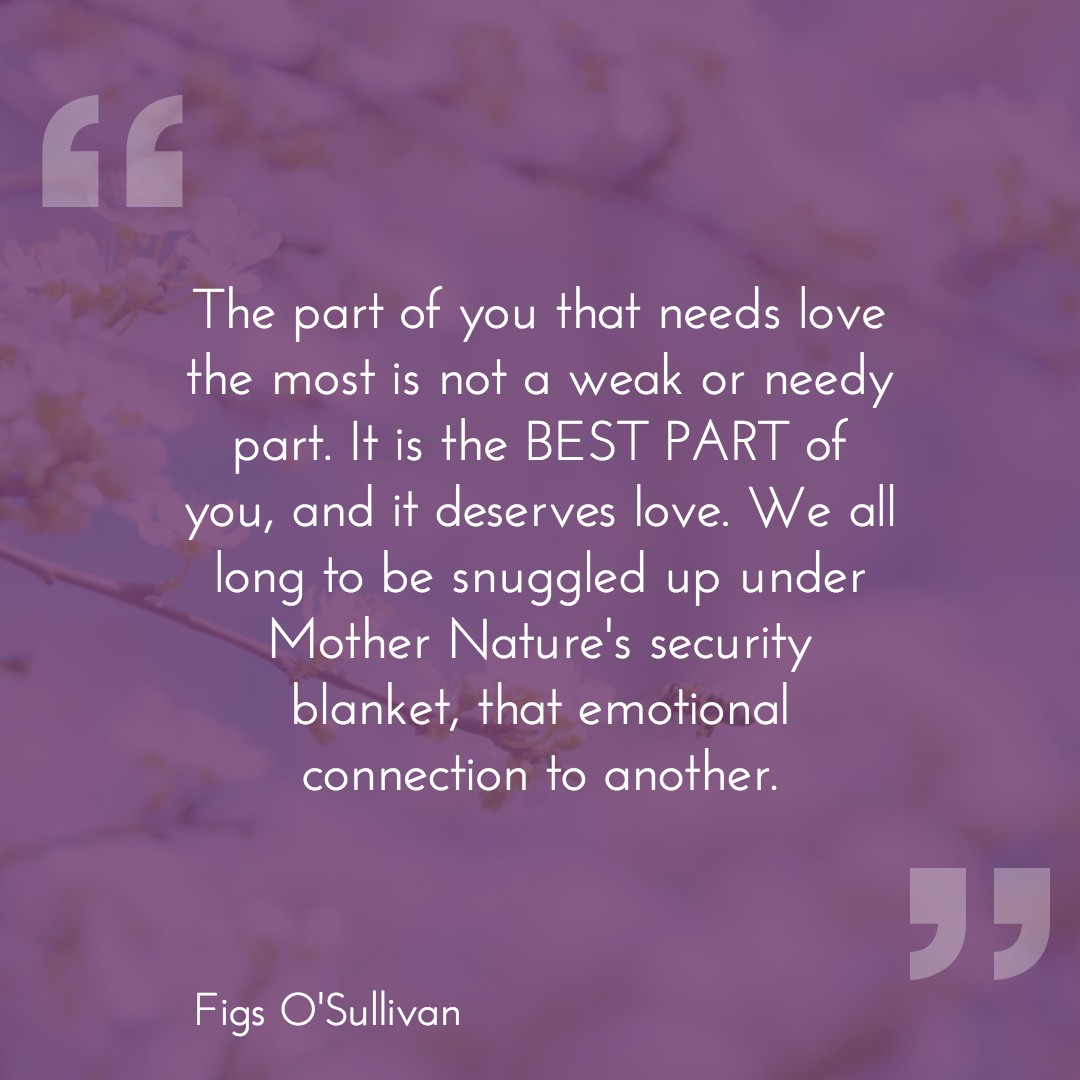
“We are all longing to be loved — longing to feel safe and securely snuggled under mother nature’s security blanket (our ability to emotionally bond with another). The part of you that needs love the most is not a weak or needy part, it is actually the best part of you and the part of you that most deserves love. Be kind to yourself and others. You deserve it – we all do!”
– Figs
Thanks for reading. If you liked this please share it! It would mean a lot to me.
[Edits made May 13, 2016 for context and clarity – ed.]

 Fiachra (Figs) O´Sullivan is a certified emotionally focused couples counselor and the founder of Empathi, an online coaching program for couples. As heard on NPR’s All Things Considered, Figs provides in-person couples counseling in San Francisco Inner Sunset where he lives with his wife, daughter and doodle. If you are curious about your own relationship, sign up for Empathi to take Figs´ Relationship Quiz and to get free, actionable and personalized guidance on how to feel more connected!