When your wife hates your friends, it is rarely about the friends. Most often she is asking two old questions, Are you there for me? Am I enough?, and your friends are where the answer keeps coming back as no: they get the relaxed, funny, available version of you, and she gets the tired one. Sometimes she has a real point, and sometimes it is control, but the move is the same to start: get curious about what your friends stand for to her, and show her where she ranks, instead of choosing between her and them.
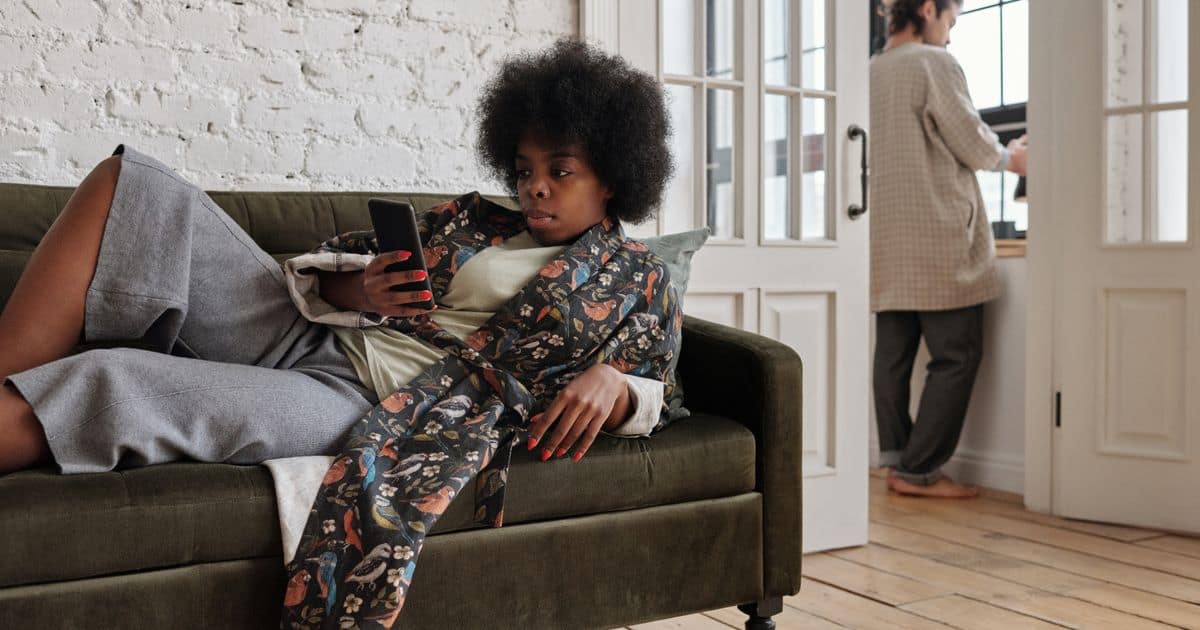
It is 11pm. You came in from the game, or your oldest friend’s birthday, and she is in bed with the light off and her back to you. Earlier she said, “Go, have fun with your boys,” in a voice that meant the opposite. Now you are on the edge of the couch typing “my wife hates my friends” because you cannot tell whether she is being controlling or whether you are the problem. If you want to think it through privately first, tell Figlet what happened tonight and get the one line to say to her.
Why does my wife hate my friends?
Stuck in the same fight again?
Talk it through with Figlet right now. Private, judgment free, built on 17 years of couples therapy.
I have sat with couples for seventeen years, and the fight about friends is almost never actually about friends. Underneath every interaction in a bonded pair, those two questions run in the background like an operating system. When your friends come up, one of them is coming back as no in her body.
The most common version is time and priority. She watches you light up on the group chat and go flat at the dinner table. What her body registers is that someone else gets the best of you. When you leave, something in her panics: am I still chosen, am I still important? That is an attachment response. That is love, expressed in a clumsy, frightened way.
The second version is a friend who has earned it. The one who makes jokes at her expense in front of her, who pulls you back into the single life (the late nights, the drinking, the flirting she hears about secondhand), or who hears about every fight in your marriage before she does. When she says a friend is a bad influence, check whether she is describing his behavior or her fear. Often it is both.
The third version is the world she is shut out of: years of in-jokes, trips she was never part of. In 58,221 completed relationship assessments, 33% named “alone” as their deepest feeling when love is not working. A wife on the outside of her husband’s crew can feel exactly that.
And sometimes it is the female best friend, a woman who knew you before her and gets your first call. Your wife may be asking whether that friend occupies the same emotional real estate she does. I wrote about this from the wife’s side in my husband has a female friend.
Is she jealous of my friends, or does she have a point?
Jealousy is a biological event, not a thinking problem about trust. Her amygdala fires before her rational brain knows something happened, which is why your logical case for Thursday poker does not land. A lot of what sounds like control is saying something else. “You can’t go out with those friends” often means: “When you are with those people, I feel replaced and invisible, and I do not know how to tell you that without sounding pathetic.”
So check honestly. Does a friend disrespect her openly while you let it slide? Do you tell them things about your marriage you have not told her? Do plans with her move when the group chat calls, while plans with them never move for her? Do you come home later or drunker than you said? A friendship is additive to a marriage. When it starts to feel extractive, she notices. If some of these land, part of her complaint is real, and you can repair that part without giving anybody up.
A confession about the text I never sent
Early in my relationship with my wife Teale, there was a period where I stopped texting her for several days. No warning, no context. Just silence. Years later, she told me what happened during that gap: she went on Facebook and searched for evidence of what I was doing. She found a post suggesting I might be hanging out with an ex. She was, in her words, “super anxious.”
Another time, I told her I would text when I was leaving an event. I came home and did not even acknowledge that I had never sent the text. From the outside, her frustration could look like nagging, like she was keeping score. From the inside, it was devastation. She was left alone with uncertainty, and then the uncertainty itself was not even recognized.
Was Teale being controlling? Or was she a woman in love, using the only information she had? Impact is bigger than intention. I meant nothing by that missing text. It still landed.
Why does she get mad every time I hang out with my friends?
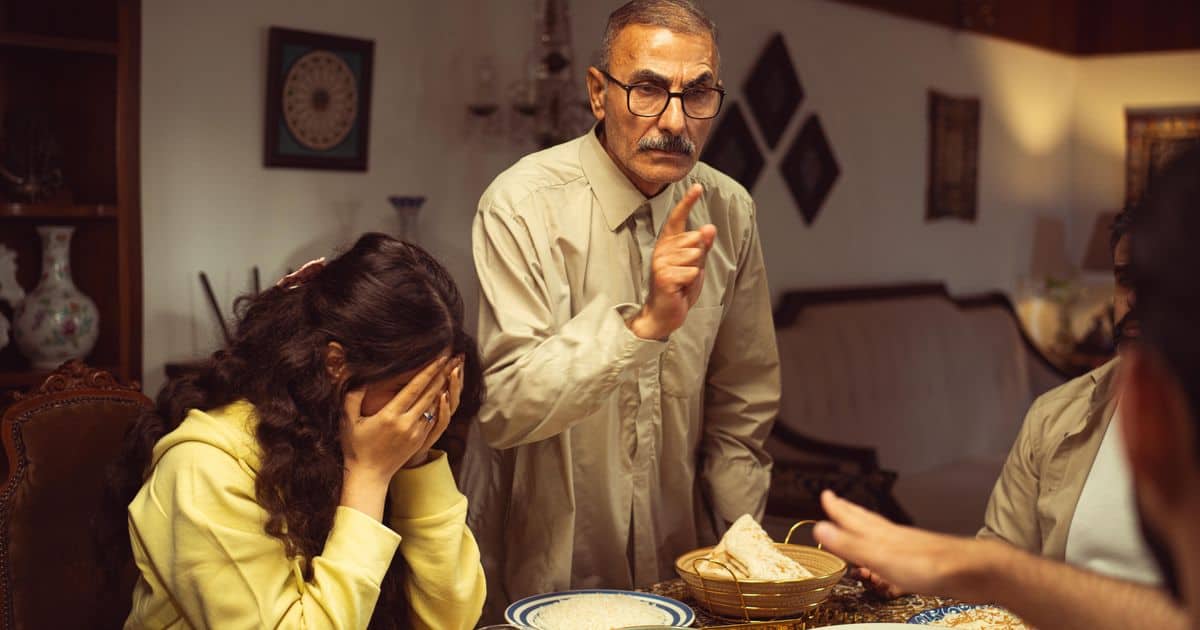
Because the two of you have fallen into a dance I call the Waltz of Pain. She becomes the Relentless Lover: the sigh when you mention Saturday, the “have fun” with an edge, the cold shoulder when you walk back in. It looks like control. It is protest, a bid for the bond. You become the Reluctant Lover: you hear her protest as proof you are failing again, so you defend, minimize, or stop telling her your plans until the last minute.
You go where nobody is grading you, because at the pub your nervous system can breathe. She reads your leaving as “I have lost my place.” Her reach lands on your shame and makes you smaller; your retreat lands on her alarm and makes her louder. Shame is a body event, and when it gets too hot to hold, people move to a point on the Compass of Shame: withdraw, attack self, avoid, or attack other. Sneaking out is avoid. “You’re just jealous” is attack other. There are no angry people, only people hurting.
Is it control if my wife doesn’t want me to see my friends?
Disliking a person is not controlling a person. The red flag is the trend line. She does not forbid you from seeing friends; she just always has a reason why tonight is not a good night, and slowly your world gets smaller. Ordinary control is episodic, and proof of presence loosens the grip. Coercive control is atmospheric: reassurance does not soften it, because the goal is dominance.
A plain word on safety. If she forbids all friends, checks your phone and location, controls the money, threatens you, or you are being cut off from everyone, that is not a dance. It is control, and men live with it too. Call the National Domestic Violence Hotline at 1-800-799-7233, or text START to 88788. And if you are the one coming home drunk and cruel, say so to yourself plainly and get help for that first. More in how to deal with a controlling partner.
Should I stop seeing my friends for my wife?
No. Cutting off your friends is a false solution, and so is her learning to be okay with being second. Relationships thrive when both people feel chosen and free. What I ask for instead is the couple bubble: two people agreeing to be each other’s primary safe base, and everyone else adapting to that. Us as primary. Not her versus them.
A study that followed newlywed couples for 16 years found that a husband’s disapproval of his wife’s friends was linked to higher odds of divorce (in White couples), while a wife’s disapproval of her husband’s friends was not.
What do I say to my wife tonight?
Do not defend your friends, and do not call her controlling. “You hate everyone I care about” is a Story of Other, and she will defend against it every time. Speak from the Experience of Self, when you are both calm. Say this, word for word:
“I don’t want you to feel like you come second to anyone. When I go out and you go quiet, I feel like I have to pick, and I don’t want to. What happens for you when I’m with them?”
Then listen. If she says she feels left out or lonely, that is the real conversation. If you want help finding your own version of that line, Figlet can show you the dance you two are in.
How do I keep my friends and my marriage?
Skip the moves that feel like relief and cost you later: sneaking out, lying about where you are, mocking her to the guys, cutting everyone off and sulking, or the ultimatum.
Then build proof, because to a panicked nervous system, “you have nothing to worry about” is Fiat Love: currency with no backing. Agree on the rhythm, not the rules: which nights are yours, which are hers, which are protected for the two of you. Send the text when you leave. Give a real goodbye and a real hello, eyes on her before your phone. If a friend disrespects her, the boundary comes from you: “I need you to be kind about my wife around me.” Bring her in where you can; it is much harder to feel ranked below a group you belong to. If the fight is mostly about hours, start with fighting about spending time with friends.
If you are the wife reading this
Being outside his crew hurts, and your alarm is not crazy. But “your friends are a bad influence” lands on him as an attack on people he loves, and he will defend them every time. Say the thing underneath instead: “When you head out to be with them, I feel like I’ve dropped off your list. I just miss being your person.”
Where to go from here
If the fight in your house runs the other way, read my husband doesn’t like my friends. If it is your family she cannot stand, read my wife hates my family. The fight is never about the content. It is always about the bond.
Frequently asked questions
Why does my wife not like my friends?
Usually because your time with them answers one of her two questions with no: are you there for me, or am I enough. Criticizing the friends is easier than saying “I miss you.”
My wife hates my best friend. What should I do?
Ask what specifically bothers her, and listen without defending him. If he disrespects her, set the boundary yourself. If not, include her more and keep the friendship in the open.
Why does my wife hate my female best friend?
Most often she is asking whether that friend holds a place that should be hers. Secrecy turns the alarm up. Transparency, inclusion and answering the fear underneath turn it down.
Why does my wife get mad when I hang out with my friends?
When you leave, something in her panics: am I still chosen? Her anger is protest, not hatred. Agree on the rhythm together, keep your word about when you will be home, and come back present.
My wife says my friends are a bad influence. Is she right?
If you come home later or colder than you promised, or a friend mocks her, she has a point about that behavior. If she objects to everyone, the problem is rarely the friends.
Figlet is a coaching tool I built. Tell it what happened (“my wife freezes me out every time I see my friends and I feel like I have to pick”), it shows you the pattern between you two and gives you one line to say to her. It is free to start tonight.
Keep Reading


Stuck in the same fight again?
Figlet is relationship coaching built on 17 years of couples therapy. Talk through what is happening the moment it matters, get a clear next step, and stop circling the same fight. Private, judgment free, ready whenever you are.
Free to start. No credit card needed.
Figs O'Sullivan
Founder · EFT couples therapist
“What I would tell you at 10pm, if I could.”