Snapchat is not cheating. An app is an app. What turns Snapchat into cheating is secrecy: a private channel your partner keeps from you, used for something they would stop doing if you were reading over their shoulder.
Maybe it was the streak, a little flame next to a name you do not know and a number in the hundreds. Maybe the Snap Score jumped since yesterday, from someone who told you they barely use the app. Maybe the phone went face down when you sat down. Now it is 11pm and you typed it with the brightness turned down: is Snapchat cheating. I have been a couples therapist for seventeen years, and I have sat with hundreds of people in the seat you are in tonight. If you want help finding words before you say anything, tell Figlet what you saw on that phone tonight.
Is Snapchat cheating, or am I overreacting?
Stuck in the same fight again?
Talk it through with Figlet right now. Private, judgment free, built on 17 years of couples therapy.
The app is not the question. We are not lawyers litigating a contract. Clinically, micro-cheating is any secret interaction that introduces a competing attachment into your primary bond: anything a partner turns to for soothing, comfort, or aliveness instead of turning toward you.
The diagnostic I use is simple. Would they send those snaps if you were reading over their shoulder? If the answer is no, that is not a moral judgment. That is data. The channel has become private in a way the relationship never agreed to. A crush is not the problem. The secret relationship with the crush is. Sealed compartments are how affairs incubate, not because of the person on the other end but because of the container built around the conversation. I go further into where those lines sit in what counts as micro-cheating.
One honest note, because you will find a lot of frightening numbers online. There is no solid research showing that Snapchat users cheat more than anyone else. Many of the scary percentages come from private investigators and spy-app companies, who have something to sell you tonight.
What are the signs of Snapchat cheating?
The lists online name the same handful, and they are worth naming, because you have probably already seen one of them:
- The phone lives face down, or the screen tilts away when you walk into the room.
- The Snap Score climbs fast while they tell you they hardly open the app.
- A new streak with one person, kept alive every single day.
- Notifications silenced or set to hide names, a passcode that quietly changed.
- Defensiveness, flatness, or a fight about privacy the moment you ask.
None of these alone is proof. In the therapy room, roughly nineteen times out of twenty, what is on a hidden phone is something smaller and sadder than an affair. A friend they vented to about you. A flirty exchange that made them feel wanted in a way they have not felt at home in a while. None of that is nothing. Almost none of it is the catastrophe your alarm is telling you it is.
Defensiveness is murkier than it looks. A question about the phone often lands as a verdict: you are failing me again. That can be guilt. It can also be shame. What tells you more is whether, once you soften, they can soften too.
Why do people who cheat use Snapchat?
Because the messages disappear. That is the whole appeal. Disappearing messages offer deniability: nothing to find, nothing to explain, nothing to read aloud later. And underneath deniability there is almost always shame.
Deleting is a shame move, and shame is presence, not absence. The people who genuinely do not care do not bother hiding. They leave the phone unlocked because there is no shame charge on any of it. Snapchat simply automates the deleting. The phone becomes a small sandbox where someone can be a slightly different self without the weight of your gaze. That does not make it okay. It means some part of them already knows how it would land.
Why does this hurt so much when I don’t even know what was in the messages?
Because your body is not asking about the messages. A bonded body runs two questions all the time, never in words. Are you there for me? Am I enough for you? When the phone flips over, your sentinels come back with something that reads as no, and your body goes into alarm before your mind has words for it. You are not crazy. Your nervous system picked up a small break in transparency as a break in the bond. That is a reasonable read, biologically.
Snapchat adds a cruelty of its own. There is nothing to find. You bring it up, you are told you are paranoid, and the evidence has already vanished. Over time your honest perception starts to feel crazy to you. That is the reality injury, and it hurts even when there is no affair at all.
In 58,221 completed relationship assessments at Empathi, 33 percent named “alone” as their deepest feeling when love is not working. Shame happens in the body before it becomes a thought. Watch where it sends you: you withdraw, you avoid into your own scrolling, you attack yourself, or you attack them. Those are protector parts, and they are on your side.
Should I check their phone or use an app to watch their Snapchat?
No. I do not recommend spy apps, secretly logging into their account, or monitoring someone’s phone behind their back. Secretly installing monitoring software on another adult’s phone is often illegal. And it turns you into the detective, and the relationship into a case file.
Checking can never answer the question you are actually asking. You think you are looking for a snap from someone else. You are really looking for evidence that you still matter. A clean phone does not answer that. Trying to solve secrecy with surveillance is like trying to solve loneliness with more locks on the door.
What does it look like when a couple gets stuck on the phone?
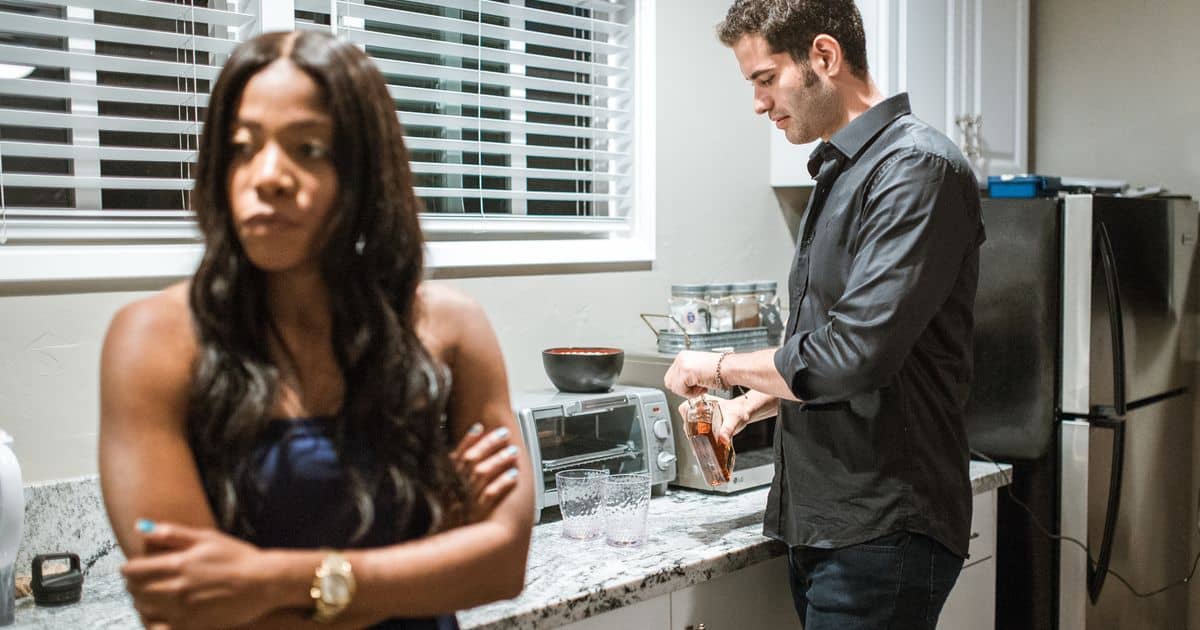
A couple I worked with, I’ll call them Fiona and Cillian. He was a software architect, she was a product director, both smart as anything, both drowning. Cillian was spending entire workdays fuming, refreshing her Instagram, checking who she’d liked. Fiona sat on my couch as far from him as she physically could, arms crossed, explaining coldly that she was busy and he was suffocating her. Every time he tried to name what he was feeling, it came out as a case. Here is the evidence. Here is the timestamp. And every time he made his case, she went further into what I call her basement. She’d hand him the phone. She’d say fine, look at it. But her eyes were dead.
I asked her, once he stopped listing evidence, what happens in your chest when he asks about your phone? She was quiet for a long time. Then she said: it goes freezing cold. My throat closes. I feel like a little kid failing a test. She wasn’t hiding because she was cheating. Being seen by him in that moment felt like being seen by every teacher who ever told her she wasn’t measuring up.
Cillian’s shoulders dropped. He said, quietly, I’ve felt so alone. I get loud because if I get loud enough maybe you’ll come back. That was the first true sentence either of them had said to each other in months. Confessions get met. Accusations get walls.
Why do we keep having the same fight about the phone?
Because you are both answering the same threat with opposite moves. You see the streak and say something sharper than you meant, or you go quiet and cold. Under your tone, your body is screaming, do I matter. In my language you have become the Relentless Lover. Your partner hears none of that. What lands is criticism on a wound that was already raw. Their shame lights up and they become the Reluctant Lover. They defend, go flat, and get better at the tilt.
You reach harder. They hide better. I call it the Waltz of Pain, and secrecy grows fat inside it. In the 6,159 couples where both partners completed our assessment, 74.1 percent were in this pursue and withdraw cycle. If you want to see which side of it you are on before you speak, Figlet will map the dance from what you tell it.
If checking has turned into control, from either side, that is not a dance. Demanding passwords under threat, tracking someone’s location, monitoring their phone, threats, or violence: get help today. The National Domestic Violence Hotline is 1-800-799-7233.
What do I say to them tonight?
There are two ways to speak about this. One is the Story of Other: who is that, why is the phone face down, you always, you never. It is a dead end. Prosecutors do not get honest answers. They get lawyers. The other is the Experience of Self: what happened in your own chest. Impact is bigger than intention, and you get to name the impact without proving the intention.
Get regulated first. Walk, write down what you noticed so you do not gaslight yourself later. Then say this, word for word:
“When I saw that streak tonight, my chest went tight and I felt alone in the room with you. I don’t want to go through your phone or fight. I’m scared, and I miss you.”
Then stop. No question tacked on the end. A partner can defend against a criticism. It is much harder to defend against someone they love saying they miss them. Then watch what they do, not what they say. Both outcomes are information.
If you are the one doing the snapping
Ask yourself honestly: would it stop if they could see it? If so, your own body already knows. Under their tone, your partner is asking one question: am I still your priority. If there is something on that phone you are ashamed of, the hiding is doing more damage than the thing itself.
Do not defend your intent. Intent is not the ledger their body is reading. Impact is. And you cannot fix this with Fiat Love, an empty promise that it will never happen again. Sorry, smorry. Their body only updates on proof of work: drop the secret, turn the phone over without being asked, mention the snap before they find it, and turn toward them in the small moments. There are no angry people in the world, only people hurting so badly they cannot let you see it any other way.
Where to go from here
If the disappearing is the part keeping you up, read why your husband deletes text messages, because the shame underneath is the same. If you cannot tell whether your gut is right, is my boyfriend cheating on me walks through how to tell real signal from an old alarm. And if it is the likes and follows more than the snaps, start with my boyfriend looks at other females online.
Frequently asked questions
Is Snapchat used for cheating?
Sometimes, because disappearing messages make hiding easy. But there is no solid research showing Snapchat users cheat more than anyone else. The app is not the betrayal. Secrecy is.
What are the signs of Snapchat cheating?
A face-down phone, a Snap Score climbing while they say they barely use it, a new streak with one person, hidden notifications, and defensiveness. None alone is proof. Most often they point to shame and a private channel, which is worth talking about even without an affair.
Is snapchatting someone else cheating?
Snapping a friend is not cheating. It becomes a betrayal when it is secret, when it meets needs that belong in the relationship, and when it would stop if your partner could see it. At that point something has already been taken from the bond.
Why do cheaters use Snapchat?
Deniability. The messages vanish, so there is nothing to find and nothing to explain. Underneath that is shame: hiding is proof someone cares what you would think, and Snapchat does the deleting for them.
If you want help before you say that line, I built Figlet for this. It is a coaching tool, not therapy. Tell it what happened tonight and it shows you the pattern the two of you are caught in and gives you the one line to say next. It is free to start, tonight, right here.
Keep Reading



Stuck in the same fight again?
Figlet is relationship coaching built on 17 years of couples therapy. Talk through what is happening the moment it matters, get a clear next step, and stop circling the same fight. Private, judgment free, ready whenever you are.
Free to start. No credit card needed.
Figs O'Sullivan
Founder · EFT couples therapist
“What I would tell you at 10pm, if I could.”