To be more romantic, stop treating romance as a performance or a purchase and start treating it as an answer. Underneath every relationship, your partner’s body is asking two questions: Are you there for me? Am I enough for you? Romance is the felt yes to both, delivered in small, specific, repeated moments that prove you were thinking of them when they were not in the room. Flowers help only when that attention is already there.
If you want help with your own version of this, tell Figlet what your partner said and it will show you the pattern between you and give you one line to say tonight.
It is late. She said it again at dinner, or maybe it came out sideways in a text: “You never do anything romantic.” Or, “You don’t make me feel special.” You felt accused and quietly ashamed, because you do love her and you have no idea what she wants you to do. So now you are on the couch with your phone, typing “how to be more romantic,” hoping somebody will hand you a list.
What does it actually mean to be romantic?
Stuck in the same argument again?
Talk it through with Figlet right now. Private, judgment free, built on 17 years of couples therapy.
I have spent seventeen years as a couples therapist, and I have learned to separate three words people use as if they mean the same thing. Connection is the bond itself, the felt sense in your body that your partner is there for you. Intimacy is what you do inside that bond: letting yourself be exposed, emotionally or physically, to someone who matters to you. Romance is the gesture: the flowers, the trip, the “I love you” said on the way out the door.
Gestures are lovely. But “I love you” without behavior behind it is what I call Fiat Love, quantitative easing for the heart. The words are correct and there is nothing backing them. Romance without intimacy becomes a currency your partner’s nervous system eventually stops believing.
So being romantic is not a talent some men are born with. Underneath all the candles and dinner reservations, it is two people choosing to be seen by each other when they could just as easily hide.
Why does “you’re not romantic” hurt so much to hear?
Because you hear it as a performance review. She is asking “Are you there for me?” and your body hears “Am I enough?” answered with a no.
Shame is a body event. Your face goes hot, your chest goes tight, and your nervous system reaches for one of the four exits on what affect theory calls the Compass of Shame. You withdraw (go quiet, leave the room). You attack yourself (“I am useless at this stuff”). You avoid (the phone, the work email, a drink). Or you attack her (“You’re never satisfied with anything I do”). Every one confirms her fear that she is on her own.
And notice what “you never do anything romantic” usually is. It is rarely a skill review. In 58,221 completed relationship assessments, 33% of people named “alone” as their deepest feeling when love isn’t working. More than rejected. More than abandoned. A partner who says you are not romantic is very often a partner who feels alone, and the complaint is the only words that came out. It is protest. Love with the fire alarm going off.
Why don’t grand gestures work?
A lot of the men I work with try to solve the relationship the way they solve problems at work. So they book the trip to Italy. They buy the jewelry. They plan the elaborate anniversary dinner. And then they are genuinely confused when their partner says, “That was nice, but I still do not feel close to you.”
Her body keeps a ledger. Not a story, not a grudge. A biological ledger that records every small moment of being seen and every small moment of being missed. Every time she said something and you kept scrolling, that is in the ledger. You cannot pay that off with a weekend in wine country. The flowers say I love you. The behavior underneath the flowers has been saying you are on your own. Her body knows the difference between flowers bought out of care and flowers bought out of guilt.
The ledger is only ever paid off in the same currency it was written in: small, consistent, unglamorous, daily proof that you see her.
What does this look like in a real marriage?
There is a scene I see over and over in my office. A husband sits on the couch and lists his evidence: I do the dishes. I take the kids to soccer. I bring her flowers on her birthday. I don’t cheat. I’m a good guy.
Then I turn to his wife and ask her a different question. Not about the flowers. About whether she feels emotionally chosen by him on a random Tuesday afternoon when nothing is being asked of her. And she starts to cry.
He is not lying about the flowers. He is answering a question she did not ask.
I am not writing this from a mountaintop. I carry a specific shame from my Irish Catholic upbringing about being conceived out of wedlock. When our wedding anniversary comes around every year, that old shame stirs. My reflex is to shut down and let the day pass without much fuss. From the outside it looks like I don’t care. From the inside I am fighting a very old feeling of not being wanted, not being planned for, not being the right kind of arrival. My withdrawal lands on my wife Teale, and now she is hurting too, and now we are doing the whole dance.
We are two therapists, and we still get caught. What has changed is that we stopped running to the Compass exits and started staying with each other in the actual feeling.
Is this the dance we keep doing?
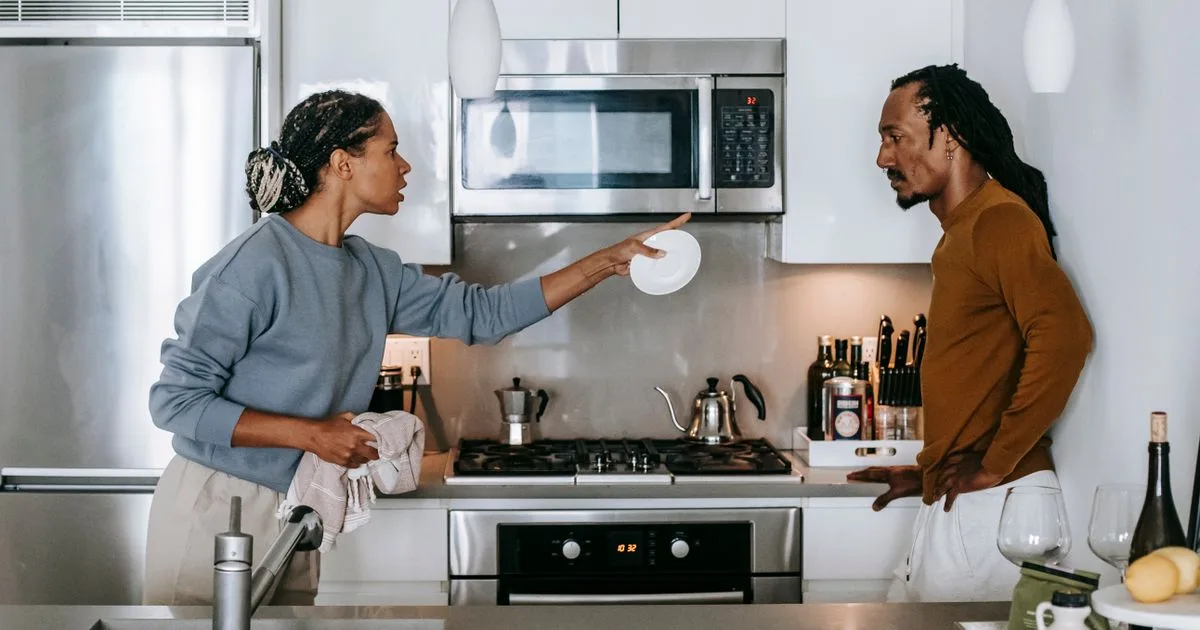
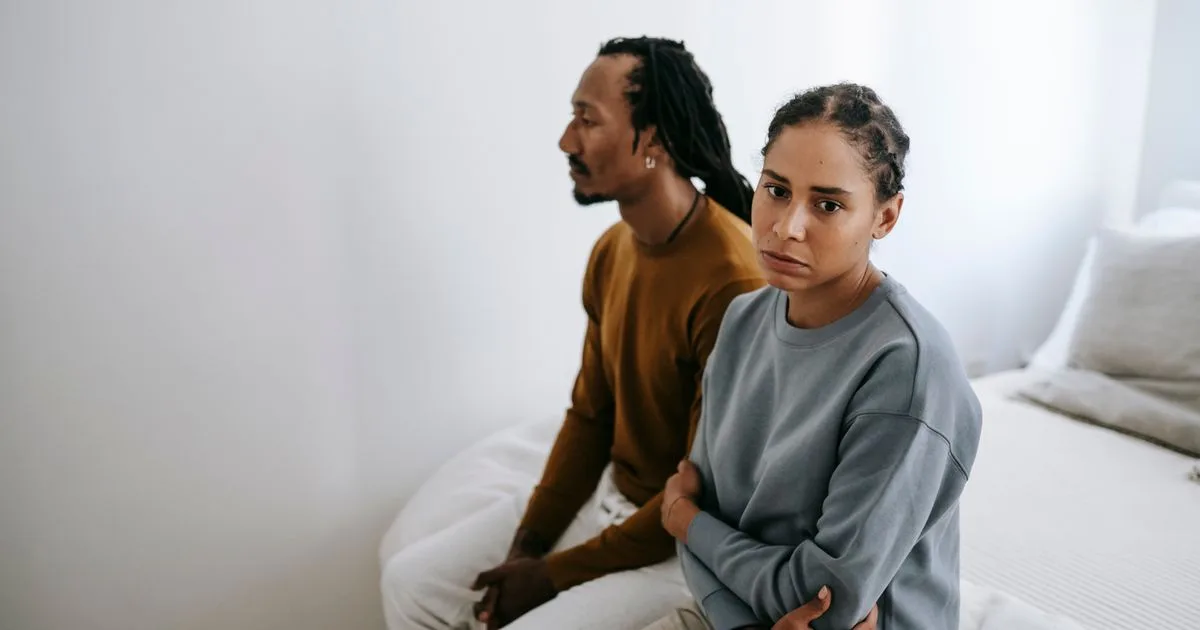
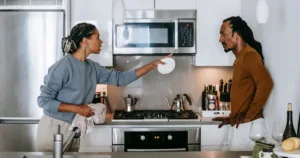
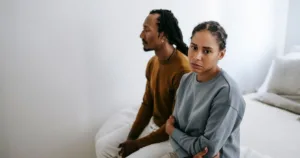
Often, yes. I call it the Waltz of Pain. She feels the distance and reaches: a hint, a complaint, “you never plan anything.” You feel the reach as a verdict and retreat into logic, silence or a defensive list. Your retreat lands on her as proof that she does not matter, so she reaches harder. One, two, three.
I call the one who reaches the Relentless Lover and the one who retreats the Reluctant Lover. Neither is the villain. The way out is not a better gesture. It is one of you stepping out of the step.
How to be more romantic in a relationship: small things that actually land
Love languages help if you hold them lightly. Words, acts of service, gifts, quality time and touch are dialects. The real language of love is safety: when your partner reaches, you reach back. These are the things I see land again and again:
- Greet your partner before you look at your phone, the mail or your to-do list when you come home.
- Give a six second kiss when you leave, long enough to actually feel it.
- Put the phone down mid-sentence when they start talking, without being asked.
- Touch that goes nowhere: a hand on the small of their back for no reason.
- Say one specific thing you saw them do today and why it mattered to you.
- Bring a small thing that says “I was thinking about you when you weren’t around.” A wildflower from a walk can outweigh a necklace.
- Protect ten minutes before sleep for something other than the schedule.
- Plan the date night yourself, but only on top of these. Safety first, then the reservation.
None of these is impressive. That is the point. A three minute ritual your partner can count on every day does more for felt security than any grand gesture, because it is proof of work your partner’s body can actually verify. I wrote more about how to create rituals of connection.
How to be more romantic with your wife or girlfriend
Reach for her, not for a result. If your gesture secretly carries an ask (a kiss back, sex, reassurance that you are a good husband), she will feel the ask. A hug that goes nowhere tells her she is wanted for herself. And do one thing that costs you something emotionally: write her a letter, or say the thing you have been not saying.
How to be more romantic with your husband or boyfriend
Many men love by doing, and many never hear that it counts. Name it. “I saw how patient you were with your mother on the phone today, and I was proud of you” lands on a man who mostly hears what he got wrong. When he tries, even clumsily, let it land. A Reluctant Lover who gets met when he reaches will reach again.
If you would rather work out your own next step than guess, talk it through with Figlet.
When is it not about romance at all?
Romance demanded through pressure, threats or control is not romance. If there is violence, threats, blocking the door, control of money or your phone, or being tracked, that is not a dance. Call the National Domestic Violence Hotline at 1-800-799-7233 or text START to 88788 today.
What should I say to my partner tonight?
Skip the bouquet tonight. Sit near them, put the phone in another room, and say this, word for word:
“When you said I’m not romantic, I got defensive because I felt like I was failing you. I don’t want to defend myself. I want to know: when did you last feel really chosen by me?”
Then listen without making a case. Whatever they tell you is your list.
If you are the one who wants more romance
Your longing is legitimate. But “you’re not romantic” is a verdict, and he will defend against a verdict. Lead with the feeling instead: “I miss feeling chosen by you. I’m not asking for a big thing. I want to feel like you think about me.” Then let his small, clumsy reach land. The partner who stops trying is almost never the partner who stopped loving. More often he stopped believing he could succeed at loving you.
Where to go from here
If romance used to be there and has drained into logistics, read how to bring back romance in your marriage. If your partner’s complaint is part of a bigger picture, how to be a better partner covers the internal shifts underneath every habit. And if you two keep missing each other’s dialect, my take on love languages explains why the quiz is a starting point, not a solution.
Frequently asked questions
How can I be more romantic in my relationship?
Make small, specific turns toward your partner every day: greet them first, put the phone down, touch them without an agenda. Grand gestures land only on top of that daily attention.
How do I be romantic as a man?
Drop the idea that romance is a performance you might fail. It is attention she can feel. Keep your word in small things, and when she says something tender, stay with it instead of fixing it.
What do I do when my wife says I’m not romantic?
Do not argue the facts or list what you did last month. Her complaint is usually a protest that she feels alone, not a review of your skills. Ask her when she last felt chosen by you, listen, and start there.
How can I be romantic to my girlfriend?
Show her she lives in your mind when she is not in the room: a six second kiss, ten phone-free minutes before sleep. Her body trusts what you do repeatedly over what you do once.
How can I be more romantic with my husband or boyfriend?
Tell him specifically what you appreciate in him. Many men hear mostly about what they got wrong, so being noticed is romantic.
What are small romantic gestures?
A reunion greeting before the phone, a hand on the back for no reason, making the coffee for both of you, a wildflower from a walk. Repeated, they become proof your partner can verify.
Figlet is a coaching tool I built for exactly this moment. Tell it what happened when your partner said you are not romantic and what you did next. It will show you the pattern between you and give you one line to say. It is coaching, not therapy, and it is free to start tonight: start with Figlet.
Keep Reading
Stuck in the same argument again?
Figlet is relationship coaching built on 17 years of couples therapy. Talk through what is happening the moment it matters, get a clear next step, and stop circling the same fight. Private, judgment free, ready whenever you are.
Free to start. No credit card needed.
Figs O'Sullivan
Founder · EFT couples therapist
“What I would tell you at 10pm, if I could.”