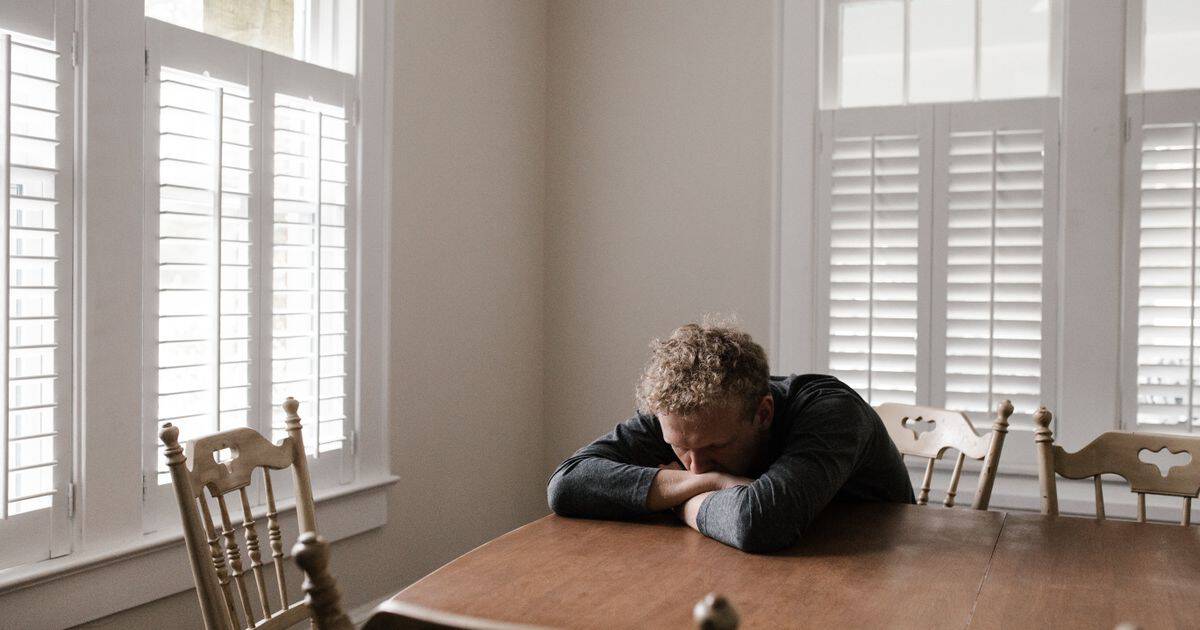
Let me sit with what you just said. Emotional abuse. That’s a word that takes courage to use, and I want to honor that before we do anything else. A lot of people spend years calling it “conflict” or “our dynamic” or “the way we fight” before they can name it clearly. So if you’re at the point of naming it, that matters.
Your body learned to brace.
Do you know you can get personalized answers to all your questions from the same wisdom that wrote this article, right now?
Ask anything about your own situation and get an answer immediately. Keep asking, think it through, work out what to do next.
No credit card required. Your first 10 messages are free.

Ask Figlet about rebuild trust after emotional.
To rebuild trust after emotional abuse, start with safety: the harmful behavior has to stop completely before anyone asks you to trust again. After that, trust is rebuilt through pattern, not promises, as the person who caused harm takes full responsibility and stays consistent for months, and as you relearn to trust your own perceptions.
If the abuse is still happening, put your safety and your own support first, not repairing the relationship.
If you are trying to make sense of what happened to you, Figlet can help you think it through, an AI coach that is there at 2 in the morning, or right now.
Here’s what I know to be true after seventeen years of sitting with couples in this work: Trust is not rebuilt through promises. It’s rebuilt through pattern.
The person who caused harm doesn’t get to decide when trust is restored. That’s not how it works. Trust is rebuilt in the small repeated moments where the person who hurt you does the harder thing instead of the easier thing. They pause instead of escalating. They take accountability without collapsing into self-pity that somehow makes you comfort them. They change their behavior on a Tuesday afternoon when nobody’s watching and nothing’s on the line.
That’s what I call the Proof of Work of Love. It’s the visible, felt evidence that someone actually did the hard thing. Not just said the right words in a vulnerable moment. Did the thing. Repeatedly. Over time.
Here’s what I also need to say directly: Rebuilding trust requires safety first. Not last. First.
Before any vulnerability, before any deeper conversation, before any repair work, there has to be a genuine cessation of the harmful behavior. Not a reduction. Not “I’m working on it.” An actual stop. Because if the pattern is still active, you’re not rebuilding trust. You’re being asked to extend trust into an environment that hasn’t yet earned it. Those are very different things.
And here’s the part that often surprises people. Whether you’re the person who was hurt or the person who caused harm, the work is deeply personal. If you were hurt, your nervous system has been trained by this relationship. Your body learned to brace. Your threat-detection is probably working overtime right now, scanning for signs of danger even in safe moments. That’s not a flaw. That’s an adaptation. And it takes time and real, consistent safety to retrain.
If you’re the person who caused harm, I want to be honest with you too. The work is long. It’s humbling. And the temptation will be to ask for forgiveness faster than it can actually be earned. Resist that urge. Show up. Be consistent. Let the trust come to you rather than reaching for it.
What I want you to hold onto is this: Some couples do reach what I call Sovereign Us after serious harm. That place where both people are genuinely on the same team, protecting the relationship rather than protecting themselves from each other. Where one person’s pain doesn’t have to become the other person’s weapon or burden.
That’s possible. I’ve seen it. But it’s not guaranteed, and it’s not fast, and it requires that both people do their own deep work, not just the work of fixing the relationship.
How Do I Rebuild Trust in Myself After Emotional Abuse?

Which pattern is running your relationship?
Take the free three minute quiz and meet the creature behind the cycle you keep getting stuck in.
Emotional abuse breaks two kinds of trust: trust in the other person, and trust in yourself. The second is usually the deeper wound. When someone keeps telling you that what you saw did not happen, your brain eventually starts to agree. Not because you are weak. Because the brain calibrates its perceptions against the people it depends on. Rebuilding self-trust starts small:
- Notice a feeling and do not immediately dismiss it.
- Make a small decision without asking four people to confirm it.
- Write down what happened, the same day, in your own words.
A woman I worked with, I will call her Sarah, came to my office prefacing almost every sentence with “I think” or “I might be wrong, but.” Her partner had spent three years denying things he had said, until she asked a doctor whether her memory was failing. It wasn’t. She would predict what he was going to deny, write it down in advance, and then watch what happened. Seeing the pattern on paper that could not be rewritten was her turning point. The rest of her recovery was learning to trust herself in a world without him.
You are not starting over. You are excavating something buried, not destroyed. More on this in rebuilding self-esteem after a toxic relationship.
Can a Relationship Recover From Emotional Abuse?
Sometimes. Not often, and never by accident. In my experience, it can recover only when all of these are true:
- The person who caused harm takes full responsibility. No “but,” no “you made me.”
- The behavior has stopped, not reduced. And it stays stopped for months.
- They do their own individual work. On the shame and control underneath, not just the relationship.
- You are safe. You can say no, leave the room or disagree without being punished for it.
Two decent people caught in a pursue and withdraw loop can look ugly from outside, but when things calm down, both get soft and both see their part. In a coercive relationship, the softening never comes, or it comes as a performance followed by the same behavior next week. If you are not sure which you are living in, start with what emotional abuse looks like in a marriage, and if you are told your reaction makes you the abuser, read what reactive abuse is.
Couples therapy is not recommended while abuse is ongoing. It assumes two people willing to look at their own part; without that, it becomes another weapon against you.
If you are frightened, call the National Domestic Violence Hotline at 1-800-799-7233 or visit thehotline.org. You do not have to be in physical danger to call.
What to Do Tonight
- Put a hand on your chest and ask your body one question: when I am with this person, what happens to me?
- Write down one thing that happened today, exactly as you remember it. Keep it private.
- Take a slow breath with a long exhale, three times.
- Text one safe person.
Common Questions
Can you fix a relationship after emotional abuse?
You cannot fix it alone or for the person who caused harm. It can change only if they take full responsibility, stop the behavior completely and do their own deep work for a long time. If they will not, your work is your own healing.
How long does rebuilding trust after abuse take?
Longer than anyone wants: months and years, not weeks. Your body updates only through repeated, felt evidence of safety.
Should we go to couples therapy after emotional abuse?
Not while the abuse is ongoing. Start with individual support. Couples work can make sense later, once the behavior has genuinely stopped and they can look at their part without blaming you.
If you are trying to work out whether trust can be rebuilt after what happened, talk it through with Figlet, an AI coach that’s there at 2 in the morning, or right now.
Figs is a licensed marriage and family therapist with 16+ years of experience working with couples. He’s the co-founder of Empathi, host of the “Come Here to Me” podcast, and author of an upcoming book on relationships and the systems that shape how we love.
Read more: Emotional Safety in Relationships: What It Means and How to Build It
Explore More Topics
Keep Reading



Every couple has a pattern they cannot see. Find yours.
In love, each of you is a Relentless or a Reluctant, which makes you one of three kinds of couple: Relentless and Reluctant, two Relentless, or two Reluctant. The free quiz reveals your creatures and the cycle they fall into together. About three minutes.
No signup needed to start.
The Relentless

The Reluctant