Yeah, that’s a real question and I respect it. Come here, let me be straight with you about this.
Here’s the thing that almost nobody talks about when couples therapy makes things worse: it’s usually not the therapy itself. It’s that most couples walk in already doing the one thing that guarantees more damage. They’re running around with a can they think is labeled water, but it’s actually gasoline. And a lot of traditional approaches to couples therapy just hand them a bigger can.
You left the session with better ammunition for the same fight.
Do you know you can get personalized answers to all your questions from the same wisdom that wrote this article, right now?
Ask anything about your own situation and get an answer immediately. Keep asking, think it through, work out what to do next.
No credit card required. Your first 10 messages are free.

Ask Figlet about therapy making things worse.
What I mean by that is this. Most people come into a therapy room with a story. Her story is, “He never shows up for me.” His story is, “She’s never happy, nothing I do is ever enough.” And if a therapist just gives those two people a forum to present their case, to argue their side more articulately, with a professional referee sitting in the room, you know what you’ve got? You’ve got gasoline on a fire. You’ve made things worse. You’ve just given them better ammunition.
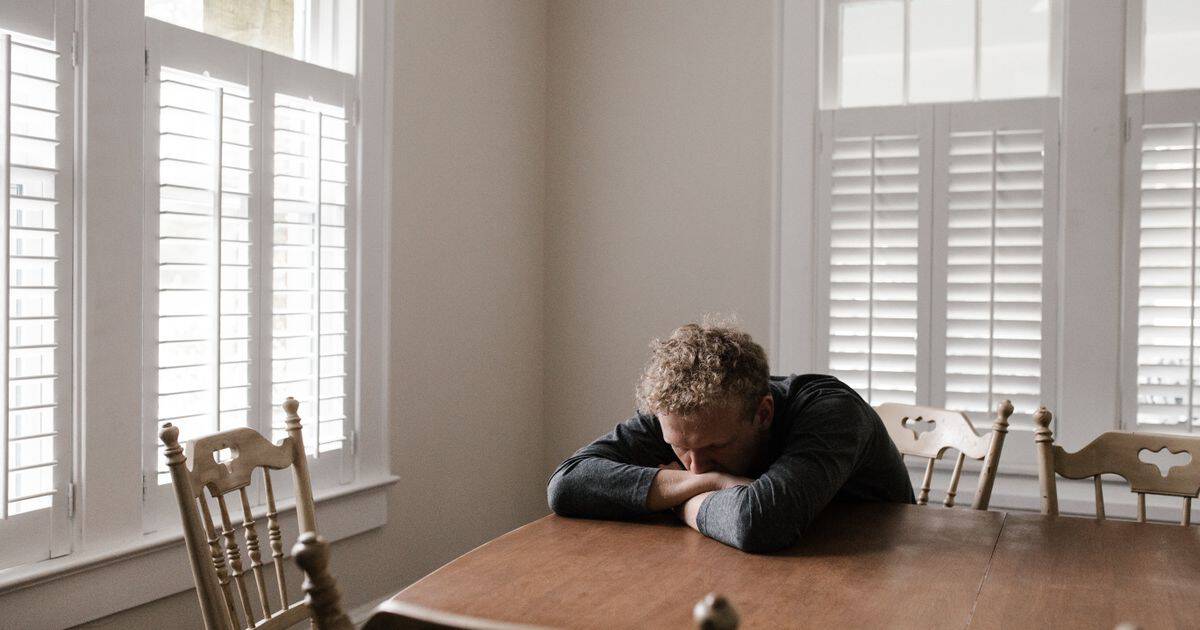
So yes, bad therapy can absolutely make things worse. Therapy that puts one person in the role of the problem, therapy that validates one partner’s story while the other person shrinks further into the basement, therapy that turns the room into a courtroom, that stuff can do real damage.
But here is what the research actually says about Emotionally Focused Couples Therapy, the approach I work from. 86% of couples showed significant improvement after 12 sessions. And when we went back two years later, 75% were still holding those gains. That’s peer reviewed. That’s not me doing a sales pitch.
The reason EFT works where other approaches stumble is because we don’t go looking for a bad guy. The very first thing I have to do with a couple, before anything else, is show them the comic tragedy of what they’re both doing. Both of you are hurting. Both of you are trying to fix it. And everything you’re doing to fix it is making it worse. That’s not a criticism of either person. That’s actually the most relieving thing most couples have ever heard.
You left the session with better ammunition for the same fight.
Do you know you can get personalized answers to all your questions from the same wisdom that wrote this article, right now?
Ask anything about your own situation and get an answer immediately. Keep asking, think it through, work out what to do next.
No credit card required. Your first 10 messages are free.
Ask Figlet about therapy making things worse.
The only reason this disconnection is happening is because you love each other so much. That’s it. That’s the whole story.
When I can get a couple to actually live inside that truth together, when they shift from two separate “I” stories to a shared “we,” that’s when their whole biology changes. That’s when we can actually start doing something.
So the short answer to your question is: yes, the wrong kind of couples therapy can make things worse. But the right kind, done properly, where you’re not finding a villain but helping two scared people see each other clearly, that’s a different thing entirely. I’ve had couples who were already divorced, living in separate states, back together in two or three months. Not because I performed a miracle. Because I helped them understand what was actually happening between them.
Where Does Your Relationship Stand?

Which pattern is running your relationship?
Take the free three minute quiz and meet the creature behind the cycle you keep getting stuck in.
Take the free Empathi Wisdom Score assessment. In 5 minutes, get a personalized snapshot of your relationship patterns and what to do about them. Take the free attachment style quiz to learn more.
Figs is a licensed marriage and family therapist with 16+ years of experience working with couples. He’s the co-founder of Empathi, host of the “Come Here to Me” podcast, and author of an upcoming book on relationships and the systems that shape how we love.
Read more: What to Expect in Your First Couples Therapy Session
Explore More Topics
Keep Reading



Every couple has a pattern they cannot see. Find yours.
In love, each of you is a Relentless or a Reluctant, which makes you one of three kinds of couple: Relentless and Reluctant, two Relentless, or two Reluctant. The free quiz reveals your creatures and the cycle they fall into together. About three minutes.
No signup needed to start.
The Relentless

The Reluctant