The right relationship help depends on what is actually happening. If you are not safe, call the National Domestic Violence Hotline at 1-800-799-7233 or the 988 Suicide and Crisis Lifeline first; if you both will go, see a couples therapist; if it is only you, or your partner won’t go, start with individual therapy or coaching; and for learning the pattern you are stuck in, a good book, a free course or a trusted person can carry you a long way. I’m Figs O’Sullivan, a licensed marriage and family therapist, and I have been a couples therapist for seventeen years. If you need somewhere to put tonight’s fight before you can book anyone, tell Figlet what happened (I built it, so keep my bias in mind).
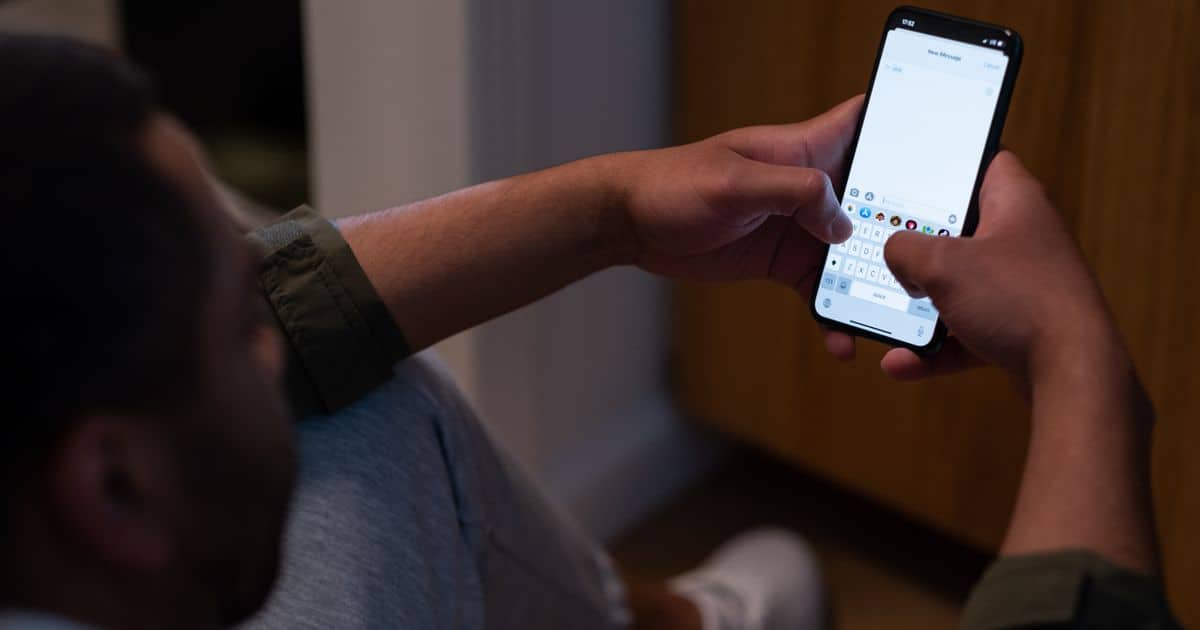
You are probably reading this after another fight that ended the way they all end, with silence and a closed door. You typed “relationship help” because you don’t know where to turn, and every result seems to be a helpline in another country or a newswire article. So here is the map I would draw for you if you were sitting on my couch, organized by situation, not by who pays me.
What do almost all struggling couples have in common?
When talking turns into the same fight
Talk it through with Figlet right now. Private, judgment free, built on 17 years of couples therapy.
Underneath almost every argument, one of you is asking “Are you there for me?” and the other is asking “Am I enough for you?” I call the dance that follows the Waltz of Pain. One of you reaches, and the reach lands as criticism. The other retreats, and the retreat lands as proof of abandonment. In 58,221 completed relationship assessments at Empathi, 74.1% of the 6,159 couples where both partners completed were in this pursue and withdraw cycle. Both partners typically describe the other as the one withdrawing.
That matters for choosing help. Most tips, date nights and communication scripts are built on quicksand when you are on opposing teams. The help that works is the help that gets underneath the content of the fight to the experience of the fight, so you stop seeing each other as the enemy and start seeing the cycle as the enemy.
Why do most couples wait too long?
Research suggests the average couple waits six years from the onset of serious problems before seeking therapy. Six years of entrenched patterns, accumulated resentment and eroded trust. It’s not impossible to come back from that, but it is much harder than year one or year two. Many people wait because they think therapy is only for relationships in crisis, or because a part of them believes they are not “bad enough” yet. You don’t have to know what kind of help you need before you’re allowed to ask for it.
Relationship help by situation
We fight about everything
If it is the same fight with the same escalation and the same unsatisfying ending, the content is not the problem. That is an entrenched pursue and withdraw cycle, and it is exactly what couples therapy is built for when you will both go. Look for a therapist trained in a structured model, not a generalist who “also sees couples.” Emotionally Focused Therapy (EFT), the model I practice, works with the attachment bond between you. The ICEEFT directory lists therapists who have completed at least an EFT Externship (ICEEFT doesn’t verify licenses, so check your state board), the Gottman Referral Network lists therapists with at least Level 2 Gottman training, and Psychology Today lets you filter by state, insurance and online sessions. If you want to see the whole landscape, I compared the options in my guide to online couples therapy.
Effective couples therapy is not two people talking at each other while a therapist nods. The therapist holds a drone’s eye view of your system, maps the conflict in real time and interrupts constantly. On the consult call, ask what model they use, what percentage of their caseload is couples, and whether they’re licensed where you both live.
One of us has checked out
What looks like a partner who has completely checked out is sometimes a pursuer who has collapsed from exhaustion. The Relentless Lover pursues until she collapses, and then her most common behaviors become shutting down and withdrawing. If the fights have stopped and you think things are better, that is the most dangerous stage there is. This one needs a skilled couples therapist soon, not a book. If the quiet one won’t come, the partner who is still reaching can start alone.
There was an affair
Go to a licensed couples therapist who has real experience with infidelity. An affair creates an attachment injury that rarely heals on its own, and well meaning friends will usually give you the wrong advice: apologize, forgive, move on. Trust is not a decision. It is a biological state, and it gets rebuilt through behavior, not promises, the partner who strayed showing up again and again until the betrayed partner’s body registers safety. If there is ongoing deception, therapy faces much steeper odds, so tell the truth before you book.
My partner won’t go to therapy
This is the most common situation in my inbox, and it is not the end of the road. Ask for one hour, not a commitment, and make it about the cycle you are both in, not about fixing him or her. I wrote the exact words for that ask in my husband won’t go to couples therapy. If the answer is still no, go on your own. Individual therapy can help you understand your part of the pattern. A cycle takes two people doing their moves to keep spinning, and when one person changes their move, the whole system has to recalibrate.
Coaching is the other option here, and it is where I’ll be plain about my own bias. Coaching works forward, from where you are to where you want to go; therapy can assess and treat what’s underneath. I built Figlet because most people in relationship pain never get to a couples therapist, and the moment they need help is usually 11pm in the middle of a fight, not Tuesday at 3. Figlet is relationship coaching built on the EFT lens I use in the room. It is not therapy, it doesn’t diagnose or treat, and no AI is a therapist, including mine. It works even if only one of you is willing, and your first messages are free. Where it is not the right choice: violence, an affair you can’t get past, or serious depression or anxiety. Those belong with a licensed therapist.
We can’t afford it
You still have real options. Open Path Collective is a nonprofit network of sliding scale therapists for people who are uninsured or underinsured; it charges a one-time membership fee and session rates for couples are listed on its site (its published figures have changed recently, so check before you join). University training clinics, where supervised graduate students in marriage and family therapy see couples, often charge on a sliding fee scale. Community mental health centers and your employer’s EAP are worth a call, and dialing 211 connects you to a local specialist who can point you to low cost counseling near you. If you live in Ohio, Ohio State Extension’s Strong Couples project is a free online relationship education program with short calls with a trained coach (it is education, not therapy). Prices change, so confirm with each one directly.
I don’t feel safe
If there is violence, threats, someone blocking the door, control of your money or phone, or stalking, that is not a dance and it is not something couples therapy should be used for. Get help today. Call the National Domestic Violence Hotline at 1-800-799-7233 or text START to 88788. If you are a teen or young adult, loveisrespect takes texts at LOVEIS to 22522. If you are in immediate danger, call 911.
I’m not sure it’s worth saving
Ambivalence is not weakness, and “trust your gut” is terrible advice when your gut has been marinating in cortisol for months. A relationship can feel dead while the bond still has life in it, because what often dies first isn’t the bond. It’s the hope. I usually recommend six months of serious, weekly couples therapy with a specialist before making a permanent decision. I walk through the clinical questions I use in is my relationship worth saving.
It’s me
Sometimes the loudest thing in the relationship is something in you: panic attacks, old memories flooding you, low mood that won’t lift, drinking to get through the day, compulsions, attention that won’t hold. Those go to a licensed therapist where you live first, not to a coach, including the coaching I built. That isn’t failing. It’s putting the ground in first. If part of you has started thinking you’d be better off not here, call or text 988, or chat at 988lifeline.org, any hour.
Can books, courses or a friend help?
Yes, with a caveat. Sue Johnson’s Hold Me Tight is the book I recommend most often. It gives couples a shared language for the pursue and withdraw dance without making either partner the villain. Read it slowly, read it out loud, and do not assign it. I sit with couples who have read everything and arrive with dueling libraries, and in many cases the books have become the armor. A trusted friend, a faith leader or a family member can hold you while you decide, as long as they don’t just help you build the case against your partner.
What can I do tonight, before any help arrives?
Don’t ask for therapy in the fight. Nothing you say while both of your nervous systems are on fire will land. When the house is quiet, put down the case and say the raw thing, slowly: “I feel lonely, I feel far away from you, and I am scared we are losing each other.” Then stop. No list, no but. When the threat drops, the other person doesn’t have to run.
If you’re in California
If you live in California and want a licensed couples therapist, I see couples by video across the state and in person in San Francisco: you can read about how I work with couples or go straight to Empathi’s online couples therapy in California.
Frequently asked questions
Where can I get help for my relationship?
Start with what is happening. If you are unsafe, call 1-800-799-7233. If you both will go, a licensed couples therapist trained in EFT or Gottman. If it is just you, individual therapy or coaching, plus a book like Hold Me Tight. If money is tight, Open Path Collective, a university training clinic or 211.
Is there a hotline for relationship problems?
There is no single national hotline for ordinary relationship conflict in the US. For abuse or fear at home, the National Domestic Violence Hotline is 1-800-799-7233 (text START to 88788), and loveisrespect serves teens and young adults. For emotional crisis, call or text 988. For local counseling referrals, dial 211.
Can a relationship be fixed without counseling?
Sometimes, yes. One person changing their move in the cycle changes the whole system, and books, courses and coaching can help you see the pattern. But if you have been stuck in the same fight for months, or there has been an affair or violence, see a licensed therapist.
What do you do when your relationship is falling apart?
Stop building the case and stop gathering evidence. Say the vulnerable thing underneath the anger, and get real help sooner than feels comfortable, because the average couple waits six years. Don’t make a permanent decision in the middle of a fight.
Is couples coaching or therapy better?
They do different jobs. Therapy is licensed treatment and is the right place for affairs, violence, trauma, depression or addiction. Coaching helps you understand the pattern and what to try next, and it can work when only one of you is willing. If it’s both old and loud, start with the therapist and add coaching later.
If it is late and you’re alone with this, start Figlet free tonight. It’s a coaching tool I built, not therapy: tell it what happened, it shows you the pattern you’re caught in and gives you one line to say.
Keep Reading


When talking turns into the same fight
Figlet is relationship coaching built on 17 years of couples therapy. Talk through what is happening the moment it matters, get a clear next step, and stop circling the same fight. Private, judgment free, ready whenever you are.
Free to start. No credit card needed.
Figs O'Sullivan
Founder · EFT couples therapist
“What I would tell you at 10pm, if I could.”