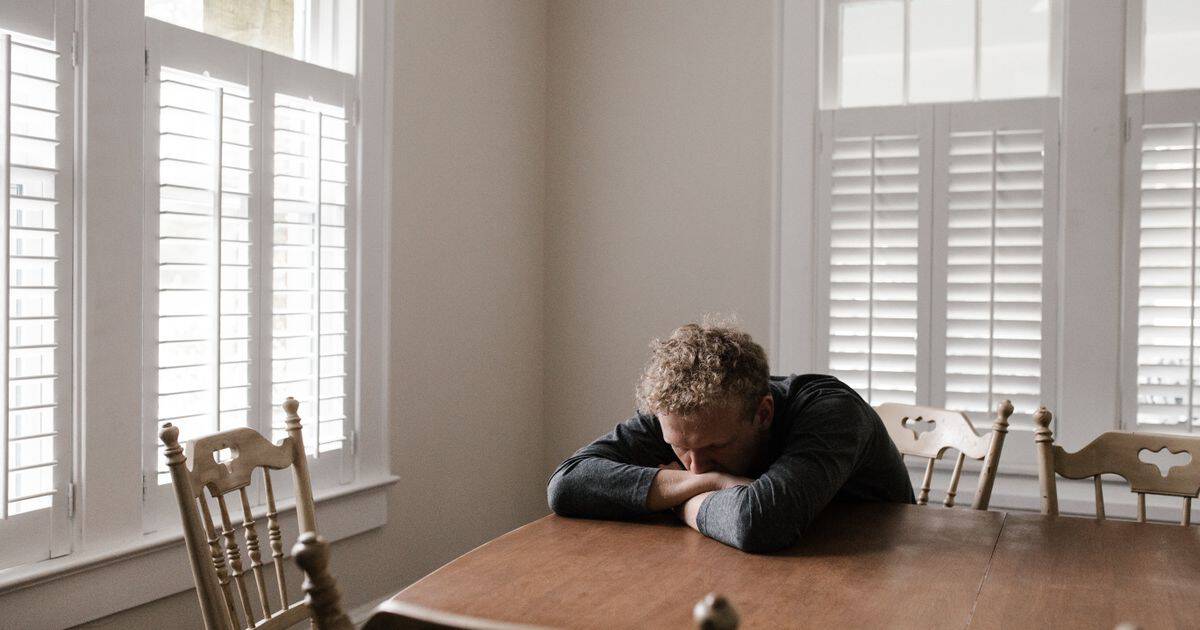
That’s such a real question. And honestly, it’s one I respect a lot because it means you’re paying attention. You’re not just showing up and hoping for the best. You’re actually asking, “Is this doing anything?”
Here’s what I want you to hear first. Most people come into couples therapy looking to fix something. And that makes complete sense. Something feels broken, you want it repaired, you want to know it’s working. But the way I’d invite you to measure progress is probably not the way your brain is currently measuring it.
You’re not just showing up and hoping for the best.
Do you know you can get personalized answers to all your questions from the same wisdom that wrote this article, right now?
Ask anything about your own situation and get an answer immediately. Keep asking, think it through, work out what to do next.
No credit card required. Your first 10 messages are free.

Ask Figlet about know if couples therapy.
The paradoxical truth about good couples therapy is that it’s not trying to fix your problems directly. What it’s actually doing is helping you find moments of real connection in the room, in the present moment. And when you can go from disconnected and defensive and on opposite sides of the table to feeling like you’re actually on the same team, even once, even for five minutes, that is the evidence. That is it working.
I’ve seen couples go from feeling like everything is hopeless and terrible at the start of a session to feeling more connected than they ever have. Not because we solved the issue, but because they visited the painful places underneath the issue together. And that visit changes something.
So here are the honest signs I’d be looking for.
Are you starting to understand what the fight is actually about, underneath the surface? Not the preschool drop-off, not the housework, but what’s really underneath it. The “are you there for me?” or the “am I enough for you?” question that’s actually driving the cycle.
Is there even one moment, in the session or after, where you felt your partner actually got you? Where they softened toward you instead of defending against you? Where you felt less alone with your pain?
Are you starting to be able to say something vulnerable, something that comes from the scared part of you rather than the angry or withdrawn part of you, and have your partner actually receive it?
You’re not just showing up and hoping for the best.
Do you know you can get personalized answers to all your questions from the same wisdom that wrote this article, right now?
Ask anything about your own situation and get an answer immediately. Keep asking, think it through, work out what to do next.
No credit card required. Your first 10 messages are free.
Ask Figlet about know if couples therapy.
If any of that is starting to happen, even imperfectly, even just once, therapy is working. That’s not me being optimistic. That’s the mechanism. Connection in the present moment is the whole thing. You can grow it from there.
Now, is therapy NOT working? Here’s when I’d be concerned. If every session ends with both of you more defended than when you walked in. If nothing underneath the cycle is being touched, just the surface content being managed. If you’re not feeling at any point witnessed or understood in the room.
The other thing I’d say is this. Good couples therapy, the kind I believe in, is hard. It’s an invitation into the heat, as I often put it. If it feels too comfortable all the time, you might not be going deep enough. But hard and not-working are two different things. You can feel the work happening even when it’s painful.
What does your gut say? Because usually when people ask this question, they already have a sense of something. What are you noticing?
Where Does Your Relationship Stand?

Which pattern is running your relationship?
Take the free three minute quiz and meet the creature behind the cycle you keep getting stuck in.
Take the free Empathi Wisdom Score assessment. In 5 minutes, get a personalized snapshot of your relationship patterns and what to do about them. Take the free attachment style quiz to learn more.
Figs is a licensed marriage and family therapist with 16+ years of experience working with couples. He’s the co-founder of Empathi, host of the “Come Here to Me” podcast, and author of an upcoming book on relationships and the systems that shape how we love.
Read more: What to Expect in Your First Couples Therapy Session
Explore More Topics
Keep Reading



Every couple has a pattern they cannot see. Find yours.
In love, each of you is a Relentless or a Reluctant, which makes you one of three kinds of couple: Relentless and Reluctant, two Relentless, or two Reluctant. The free quiz reveals your creatures and the cycle they fall into together. About three minutes.
No signup needed to start.
The Relentless

The Reluctant