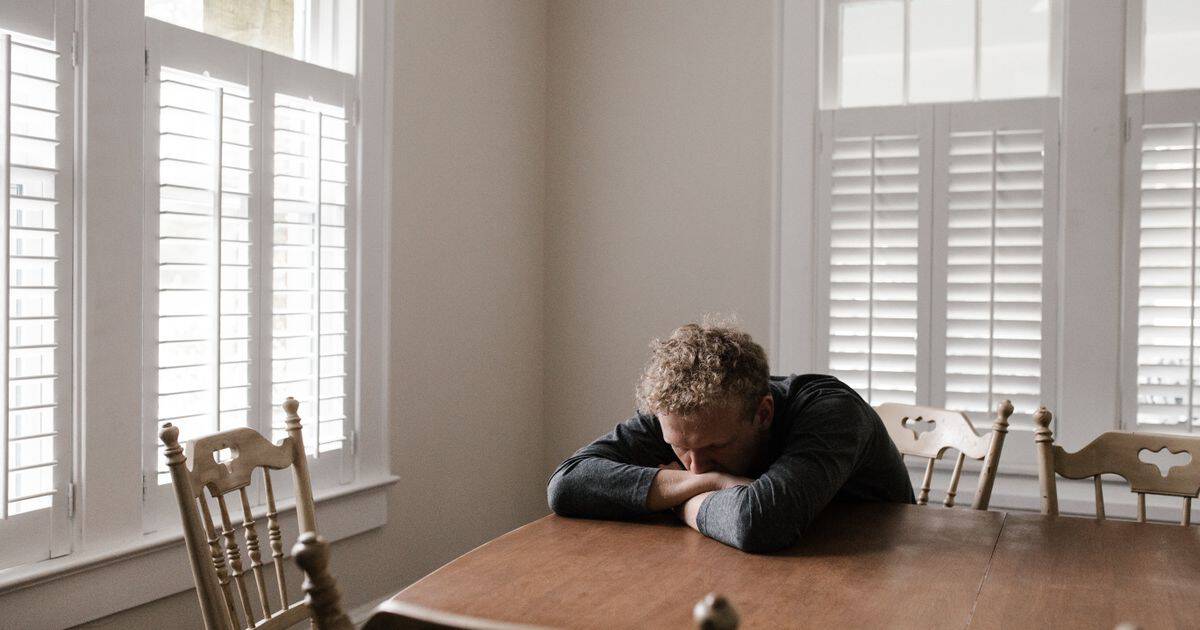
I need to start by saying this clearly: if you’re in physical danger right now, please call 911, or call or text 988 (the Suicide and Crisis Lifeline). That comes first, always.
Emergency couples therapy is a crisis session, usually within a few days, sometimes the same day, with a couples therapist who can take charge of a relationship that is in free fall: an affair just came to light, someone said “I’m done” and meant it, or a fight crossed a line neither of you thought possible.
The first session is not there to solve everything. It is there to stop the bleeding: calm two flooded nervous systems, name the cycle you are caught in, and agree on what happens next, whether that is weekly sessions, an intensive, or a clearer decision.
To get one fast, call or email two or three couples specialists today, say plainly that it is a crisis, and ask for same-week or online availability. If anyone is unsafe, that is a safety emergency, not a therapy emergency: call 911.
If you are in the middle of it right now and need to steady yourself before you say anything you cannot take back, Figlet, my AI relationship coach, is there at 2 in the morning, or right now. Talk through what just happened with Figlet.
Now. If you’re here because your relationship feels like it’s imploding and you need help urgently, I see you. I’ve been in that room with countless couples who thought they were at the very end.
Here’s what I want you to know: the fact that you’re looking for crisis help means something important. People who are truly done don’t search for emergency sessions. They pack bags. You’re here because part of you is still fighting for this.
When couples reach out for crisis sessions, they’re usually standing in the wreckage of something that just happened. Maybe infidelity was discovered. Maybe someone said something unforgivable. Maybe you had the fight that felt like it broke everything.
Take a breath. Whatever just exploded between you, it’s probably not about what it looks like on the surface.
What Counts as a Relationship Emergency?

Which pattern is running your relationship?
Take the free three minute quiz and meet the creature behind the cycle you keep getting stuck in.
People sometimes ask me if their situation is “bad enough” to call it an emergency. Here is my answer: if your body is treating it like an emergency, it is one. You can’t eat, can’t sleep, and can’t stop replaying the same conversation in your head. That is not you being dramatic. That is your attachment system in full alarm.
These are the moments that usually bring couples to an emergency marriage counseling session:
- You found the texts. An affair, physical or emotional, has just come to light.
- Someone said “I want a divorce” or “I’m done,” and for the first time, you believed them.
- A fight crossed a line. Something was said or done that neither of you thought was possible.
- One of you has moved out, packed a bag, or started talking to a lawyer.
- Nothing dramatic happened at all. The distance has been growing for months, and tonight one of you finally cracked under the weight of it.
What all of these have in common is that the bond itself feels under threat. When your primary attachment bond is threatened, your nervous system does not register it as a disagreement or a rough patch. It registers it as a threat to your survival. Your prefrontal cortex, the part of you that does logic and perspective, goes offline. Your limbic system takes over. I wrote more about what is happening in your body in my relationship is in crisis, because understanding it is the first step back to solid ground.
When It Is a Safety Emergency Instead
There is one situation where my answer changes completely. If there is physical violence, coercive control, or any threat of violence in your relationship, saving the relationship is not the priority. Your safety is.
Couples therapy asks both people to be vulnerable. When one partner’s vulnerability puts them at risk of harm, a couples session is not the right room. If your partner is blocking exits, grabbing wrists, breaking things, or you are afraid of what happens when you get home, please reach for safety and individual support first.
- Immediate danger: call 911.
- Thoughts of suicide or self-harm, yours or your partner’s: call or text 988, the Suicide and Crisis Lifeline, any time of day or night.
- Abuse, threats or control: the National Domestic Violence Hotline is 1-800-799-7233, available 24/7.
None of this means your relationship is beyond hope forever. It means the first step is stopping what is still causing new injury, so the old injuries can be worked with later.
How to Get an Emergency Couples Therapy Session Fast
If you need an emergency session, here’s what I recommend: First, call therapists in your area and explain that you need urgent help. Many of us keep slots open for exactly this situation. Don’t apologize for the urgency, just be direct about what you need.
Say the word “crisis” on the phone or in the email. Many excellent therapists have a three-week waitlist, and when the attachment system is in acute alarm, three weeks might as well be three years. Same-week or same-day availability is not a luxury here. It is a clinical necessity.
What to look for in a crisis couples therapist
- They specialize in couples. Not someone who “also sees couples” alongside an individual caseload. Crisis couples work is its own specialization.
- They use an evidence-based couples approach, such as Emotionally Focused Therapy (EFT) or the Gottman Method. EFT was built to work directly with the attachment bond, which is exactly what is under threat in a crisis.
- They have seen your crisis before. Affair recovery, high conflict, couples on the brink of divorce. Your crisis should not be their first crisis.
- They can see you this week. If they can’t prioritize a couple in acute crisis, they are not set up for this level of work.
- They take charge in the room. You don’t need a passive, nodding listener who lets you argue for 50 minutes. You need someone who will slow it down, interrupt the cycle, and create safety within minutes.
Online sessions are a real option
If nobody near you can see you this week, widen the circle and look online. The biology of your panic is exactly the same whether you are sitting three feet from your therapist or staring at a laptop, and multiple studies have found no significant difference in outcomes between online and in-person couples therapy. I once had a couple log into a telehealth session from two separate rooms in their own house because they were too angry to sit on the same couch. The panic, and the cycle, came through the screen exactly as it would have in my office. Sometimes skipping the car ride is what keeps the fight from starting before you even reach the waiting room.
Intensives: when one hour a week is not enough
For some couples in acute crisis, a weekly hour is too thin. An intensive compresses what would normally take months of weekly sessions into a few concentrated days. When a relationship is bleeding, you don’t schedule a checkup for next Tuesday. An intensive gives you a container where your only job is to work on your relationship. I compared the formats honestly in is intensive couples therapy worth it.
You do not need to prepare for a crisis session. You do not need your story straight. You do not need to have calmed down. You can show up angry, crying, numb, shut down, or all of the above. A good crisis therapist takes the lead.
What to Do Tonight, Before the Session
While you’re waiting for that appointment, here’s your homework: Both of you need to stop talking about the crisis for now. I know that sounds impossible, but continuing to hash it out when you’re both flooded and reactive will only make things worse. You’re in emotional flood mode, which means your thinking brain is offline.
Instead, focus on basic care. Eat something. Sleep in separate spaces if you need to. Take showers. Call a friend if you need support, but don’t relitigate the crisis with them.
Here are the small things I would ask you to do tonight:
- Call a pause on the content. Say one sentence and mean it: “We are both hurting, and we are not deciding anything tonight.” You cannot pour cognitive solutions onto a limbic fire.
- Send the messages now. Email or leave voicemails for two or three couples therapists tonight so the replies are waiting for you in the morning. Say it is a crisis and ask about this week, including online.
- Do not make a promise or a threat you cannot take back. No ultimatums, no texts sent at 3 a.m., no announcements to the family. Pause so you can respond rather than drive straight off a cliff.
- Drop from the story into your body. Put a hand on your chest and notice what is actually there: the tight throat, the dropped stomach, the heat in your face. The story about what your partner did keeps you trapped in blame. The sensation is the truth of how scared you are.
- Look after the basics. Water, food, a shower, a few hours of sleep in whatever room lets you rest.
That is it. Nothing heroic. Your only job tonight is to get both of you to the session without adding a new wound.
What Happens in a Crisis Session
In the session, we’ll figure out what this crisis is really about. Because underneath the immediate emergency is usually two people who are scared, who feel unseen, who are trying to protect something they care about in the most clumsy ways possible.
Within the first twenty minutes or so, I want to find the negative cycle, what I call the Waltz of Pain, and name it out loud for both of you. One of you is usually the Protester, reaching and criticizing because you are terrified of being abandoned, asking underneath it all, “Are you there for me?” The other is usually the Withdrawer, pulling away because you are terrified of being a disappointment, asking, “Am I enough for you?” These are the same relationship patterns I see in couple after couple, in a hundred different bodies.
Then I stop the litigation. When the tape starts running, the who said what and when, I stop it. I am not interested in who wins the courtroom. I am interested in what is happening in your chest when your partner goes quiet, or raises their voice. That shift, from the story to the experience, is the single most powerful move a therapist can make in an acute crisis.
The goal of a first crisis session is stabilization, not resolution. By the end, most couples tell me they feel something they have not felt in a long time: hope. Not because their problems are solved. Because for the first time, someone sees the full picture, and the cycle, not your partner, has become the common enemy.
The goodbye letter at the top of the stairs
I once sat with a couple where the wife had reached the absolute limit of her endurance. She had stood at the top of the stairs, screaming through tears, waving a goodbye letter she had written because she felt entirely invisible in her own marriage. Her husband sat rigid in the chair across from me, completely shut down, convinced she was just attacking him again and that nothing he did would ever be enough.
In our session, I helped him see something he had never considered. The only reason someone writes a goodbye letter and stands at the top of the stairs screaming is because they are in agonizing pain and desperately want to know if they still matter. Her protest was not an attack. It was the loudest possible version of “Do you see me? Am I important to you at all?”
When he finally looked across the room and saw a hurting, terrified woman instead of an attacking enemy, his armor dropped. And when her pain was met with his presence instead of his defensiveness, the threat dissolved. Not instantly. Not perfectly. But the cycle broke, right there, in that room. They are still together. Not because they are perfect, but because they learned to fight the cycle instead of fighting each other.
Why the Wrong Kind of Help Can Make a Crisis Worse
I need to be direct about something. Not every couples therapist is trained to hold a couple at a 10 out of 10. Many are comfortable with moderate distress and have never been trained for what you are going through right now. Here is how crisis couples get made worse:
- The therapist takes sides, and one partner leaves feeling ganged up on.
- The session becomes a courtroom, where you both argue your case for 50 minutes and leave more wounded than you arrived.
- You get communication scripts or homework that need a calm, regulated nervous system to use. When both people are terrified and drowning, those tools can’t land.
- You get split up into separate individual therapists, which fractures the system at the exact moment the bond needs repair, not more distance.
This is not about bad therapists. It is about the wrong tool for the job. You would not go to a general practitioner for emergency heart surgery.
What Emergency Couples Therapy Is Not
An emergency session is not a verdict on your relationship, and it is not a place where anyone talks you into staying. It is a place where the alarm finally gets heard. Some couples leave the first session with a plan for weekly work. Some book an intensive. Some, where one partner has a foot out the door, need a slower, clearer conversation about whether to try at all. Each of those is a good outcome, because each of them is a decision made from a calmer nervous system.
It is also not a one-and-done fix. A crisis that took months or years to build does not resolve in an hour. The first session stops the bleeding. The work that follows heals the wound.
After the Crisis Session: What Comes Next
Getting help during the acute window really matters. The longer you wait, the deeper the negative cycle digs into both nervous systems. Every day spent in unregulated panic lets the stories harden, the contempt build, and the walls thicken. Couples who get skilled help in the acute phase have a fundamentally different trajectory from those who wait.
After the first session, the question becomes pace. Weekly sessions suit couples who have stabilized and want steady, gradual work. An intensive suits couples where the crisis is still hot, where schedules keep sabotaging weekly work, or where weekly therapy has stalled. Either way, the aim is the same: to help you turn toward each other instead of away, and to learn the repair you will need for the next hard night.
The crisis feels like the end, but it’s often actually the beginning. It’s your relationship’s way of demanding that something change. And that’s exactly what good therapy helps you do.
Common Questions About Emergency Couples Therapy
What is emergency couples therapy?
Emergency couples therapy, sometimes called crisis marriage counseling, is fast, focused help for a relationship in acute crisis. Sessions are usually offered within days rather than weeks, and the first goal is to calm both nervous systems and stop new damage. Deeper healing follows in the sessions after.
How fast can we get an emergency marriage counseling session?
Often within the same week, and sometimes the same or next day if you say clearly that it is a crisis. Contact two or three couples specialists at once and ask about online availability too, which widens your options a lot. If nobody can see you for weeks, keep calling; a three-week wait is too long for an acute crisis.
What if my partner says they are done and won’t come?
Ask anyway, and ask softly, without begging or ultimatums. Most people who say “I want to leave” are exhausted, not fully detached: they are telling you the pain of trying and failing has become unbearable. If your partner is truly unsure, a session focused on clarity about whether to try, rather than on fixing the relationship, can be a better first step for both of you.
Does emergency couples counseling actually work?
It can, especially with an approach built for distressed couples. Research on Emotionally Focused Therapy shows that 86% of couples improve after a brief course of EFT, and 73% maintain those improvements two years later. What matters most is a therapist who can interrupt the cycle rather than referee the content.
Can a crisis session help right after an affair is discovered?
Yes, and the days right after discovery are often when it helps most. Infidelity alone does not mean it is too late; I have worked with hundreds of couples after affairs, and the majority rebuilt something stronger. The first session focuses on safety and stabilizing, not on every detail of what happened.
Is an online crisis session as good as in person?
For most couples, yes. Multiple studies have found no significant difference in outcomes between online and in-person couples therapy, and your nervous system reacts the same way on a video call as it does on a couch. If online gets you help this week instead of next month, choose online.
Is emergency couples therapy about convincing us to stay together?
No. A good crisis therapist is on the side of the relationship and both of you, not on the side of a particular outcome. The aim is to get you out of panic so that whatever you decide, you decide it from a steadier place.
Figs is a licensed marriage and family therapist with 16+ years of experience working with couples. He’s the co-founder of Empathi, host of the “Come Here to Me” podcast, and author of an upcoming book on relationships and the systems that shape how we love.
Read more: What to Expect in Your First Couples Therapy Session
Explore More Topics
Keep Reading



Every couple has a pattern they cannot see. Find yours.
In love, each of you is a Relentless or a Reluctant, which makes you one of three kinds of couple: Relentless and Reluctant, two Relentless, or two Reluctant. The free quiz reveals your creatures and the cycle they fall into together. About three minutes.
No signup needed to start.
The Relentless

The Reluctant